Flanges.
Browse standard dimensions, grade specifications, and discover verified suppliers for Flanges.
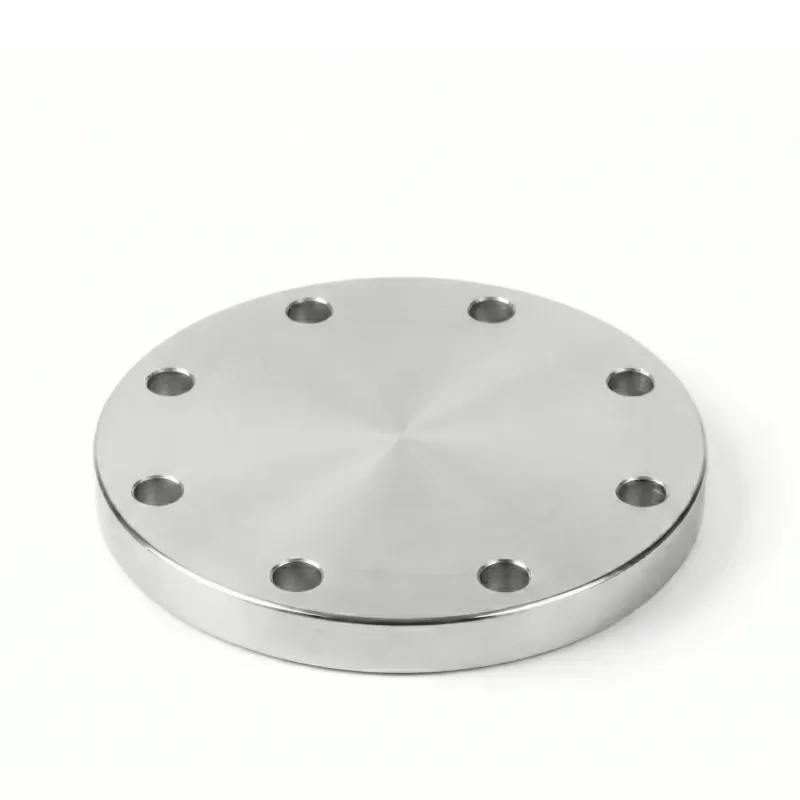
Blind Flanges
Benefits Total Flow Isolation and Safety: Provides a definitive, mechanical shut-off that successfully contains extreme hydraulic pressures, preventing hazardous media leaks or fugitive gas emissions. Exceptional Pressure and Stress Absorption: The solid, thick-center architecture absorbs heavy pipeline bending stresses and continuous hydraulic pressure spikes better than almost any other flange configuration. Easy Maintenance Accessibility: Allows rapid mechanical removal of bolts to open the pipe end, giving service crews easy access to the pipeline interior for cleaning, inspection, or system expansion. Applications Blind flanges are widely utilized across industrial piping infrastructure to block off active pipeline networks during localized maintenance or system modifications. In cross-country oil and gas manifold grids, high-yield Carbon Steel blind flanges are bolted onto terminal ends to provide secure high-pressure sealing that safely contains volatile hydrocarbons. Chemical processing operations rely extensively on Stainless Steel and High Nickel Alloy blind flanges to cap unused reactor ports and acid line headers, delivering vital protection against extreme localized pitting and chemical decay. Within modern thermal power generation facilities, heavy-duty Alloy Steel blind flanges are integrated into high-pressure steam bypass headers to seal lines reliably under deep thermal fatigue loops. Additionally, marine engineering platforms employ erosion-proof Cupronickel and Stainless Steel blind flanges on seawater cooling loops and bilge mains to withstand continuous wave vibration and rapid chloride-accelerated corrosion.
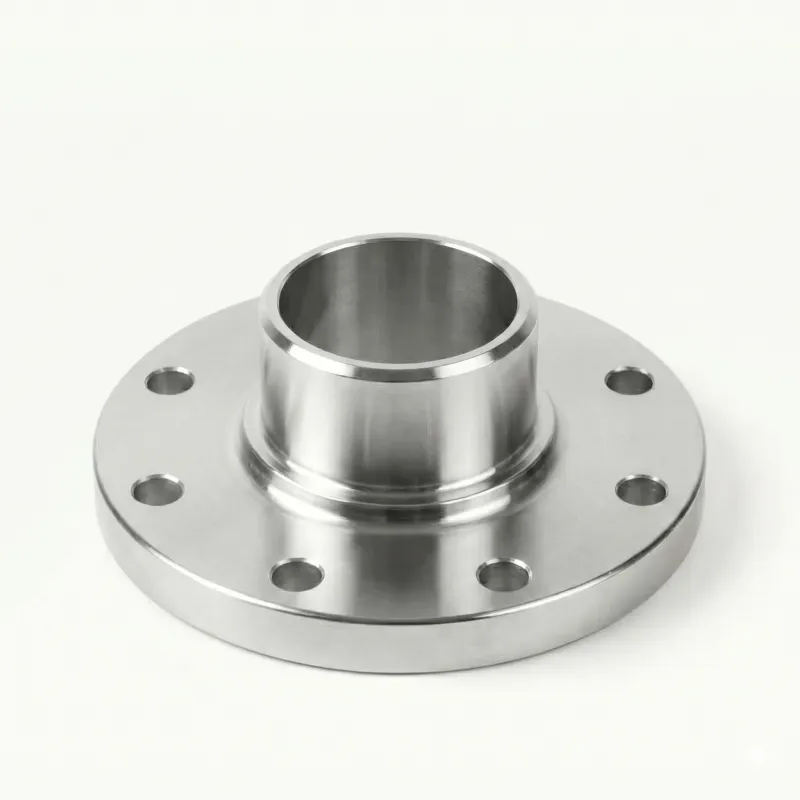
Lap Joint Flanges
Benefits Complete Bolt Alignment Freedom: The free-rotating backing flange ring entirely eliminates fixed orientation difficulties, allowing for swift and strain-free matching of bolt holes during installation. Significant Material Cost Savings: In highly corrosive systems, only the fluid-contacting stub end requires expensive alloy fabrication, while the external backing flange can be made of economical carbon steel. Simplified Routine Maintenance: Enables rapid structural breakdown and re-assembly of flanged joints, making it highly advantageous for networks experiencing regular pipeline inspections or frequent washouts. Applications Lap joint flanges are widely implemented across industrial systems where swift dismantling is required for line inspections, maintenance adjustments, or localized line component cleaning. In aggressive chemical processing zones, Stainless Steel and High Nickel Alloy lap joint assemblies allow service crews to easily pull apart lines without risking joint damage or tearing up expensive corrosion-proof alloy runs. The oil and gas sector relies heavily on heavy-duty Carbon Steel lap joint assemblies on manifold bypass setups, utilizing the free-rotating design to adjust bolt holes quickly next to heavy equipment. In high-pressure power generation stations, specialized high-temperature Alloy Steel backing flanges are integrated alongside steam lines to distribute physical stress points evenly without causing premature fatigue fractures. Additionally, marine engineering infrastructures utilize corrosion-resistant Cupronickel and Stainless Steel lap joint configurations inside tight bilge runs and seawater intake cooling matrices to provide rapid physical adjustment space inside crowded engine decks.
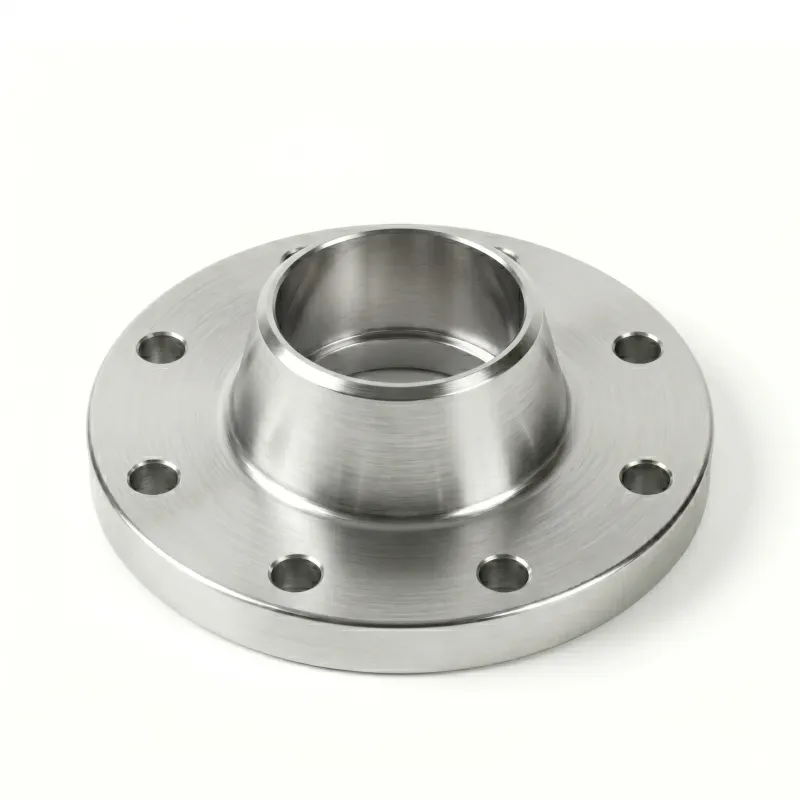
Orifice Flanges
Benefits Integrated Diagnostics and Tapping Ports: Features pre-drilled, precision-tapped holes that allow direct connection of differential pressure transmitters without modifying the pipe walls. Streamlined System Maintenance: Equipped with dedicated jack-screws that allow operators to separate the flange face mechanically, enabling quick replacement of internal orifice plates during shutdowns. Exceptional Pressure Containment: Heavy-duty forged construction provides reliable joint sealing and structural stability under severe hydraulic pulsations and high line pressures. Applications Orifice flanges are widely deployed across heavy industries to manage continuous flow measurement and telemetry diagnostics in processing networks. In oil and gas refining operations, Carbon Steel orifice flange pairs are utilized within high-pressure hydrocarbon transport headers to measure crude oil and gas flow rates accurately under intense line pressures. Chemical processing plants leverage Stainless Steel and High Nickel Alloy orifice assemblies to monitor the transmission of aggressive chemical reagents, relying on the premium alloys to prevent rapid pitting and localized corrosion. For power generation facilities, specialized high-temperature Alloy Steel orifice flanges are integrated into superheated steam loops to facilitate continuous mass-flow calculations without suffering structural creep. Additionally, marine engineering platforms employ erosion-resistant Cupronickel orifice flanges in onboard desalination loops and seawater cooling mains to maintain absolute measurement precision despite continuous exposure to highly corrosive chloride environments.
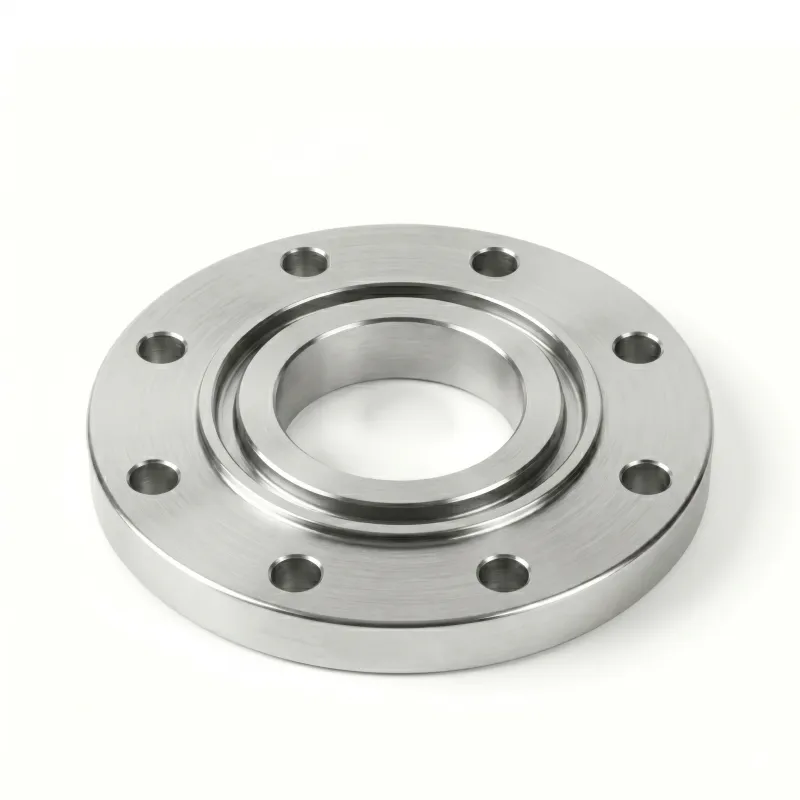
Ring Type Joint (RTJ) Flanges
Benefits Impervious High-Pressure Sealing: The specialized metal-to-metal configuration creates a high-integrity mechanical barrier that easily handles extreme system pressures, preventing hazardous media leaks. Excellent Thermal and Pressure Cycle Resistance: The solid ring assembly expands and contracts uniformly with the flange body, preventing seal blowouts or joint degradation during rapid temperature shifts. Self-Actuating Seal Integrity: Systemic internal pipeline pressure acts directly against the ring gasket, forcing it deeper into the seating groove to reinforce the sealing effect as line pressure increases. Applications Ring Type Joint (RTJ) flanges are widely deployed across critical industries to secure process connections under severe high-pressure conditions. In upstream oil and gas production, Carbon Steel RTJ flanges are standard on wellheads, Christmas trees, and high-pressure manifold grids to safely contain volatile crude hydrocarbons. Chemical processing complexes rely on Stainless Steel and High Nickel Alloy RTJ flanges to secure reactor vessels and hazardous gas transfer lines, delivering essential protection against extreme localized pitting and volatile chemical corrosion. Within modern thermal power generation stations, heavy-duty Alloy Steel RTJ flanges are integrated into main superheated steam loops, where they manage massive mechanical loads without suffering structural creep. Additionally, offshore marine platforms employ erosion-resistant Cupronickel RTJ configurations in deep-sea drilling lines and high-pressure ballast systems to withstand severe wave vibrations and rapid chloride-accelerated corrosion.
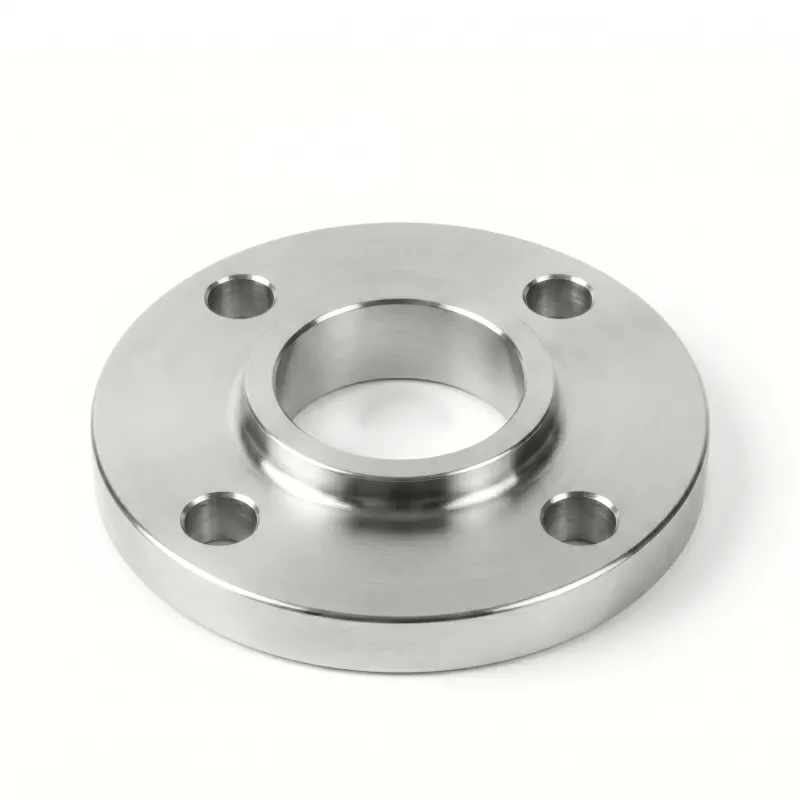
Slip-On Flanges
Benefits Simplified Field Alignment and Fit-Up: The ability to slide freely over the pipe allows field crews to position and orient bolt holes easily before completing the final fillet welds, cutting down installation time. Low Initial Procurement and Labor Costs: Features a more economical raw material profile compared to heavy weld neck variations and requires less precise bevel cuts on the pipe ends during prep work. Dual-Weld Structural Sealing: Utilizing both internal and external fillet welds distributes mechanical stress smoothly across the junction, effectively preventing fluid or gas bypass under standard service loads. Applications Slip-on flanges are extensively deployed across low-to-medium pressure utility pipelines where quick alignment and cost efficiency are prioritized. In commercial water distribution grids and municipal wastewater processing plants, Carbon Steel slip-on flanges connect large fluid runs securely, offering a dependable joint that withstands standard hydraulic pressures. Chemical processing plants leverage Stainless Steel and High Nickel Alloy slip-on flanges within secondary storage transfer lines to manage moderately aggressive media while providing excellent resistance to localized pitting. In power generation utilities, Alloy Steel slip-on flanges are integrated into cooling water loops and auxiliary low-pressure steam lines to maintain stable joints without layout clutter. Additionally, marine engineering systems rely on erosion-resistant Cupronickel slip-on flanges within onboard ballast systems and low-pressure plumbing lines to handle shipboard vibrations while providing strong protection against chloride-accelerated atmospheric rust.
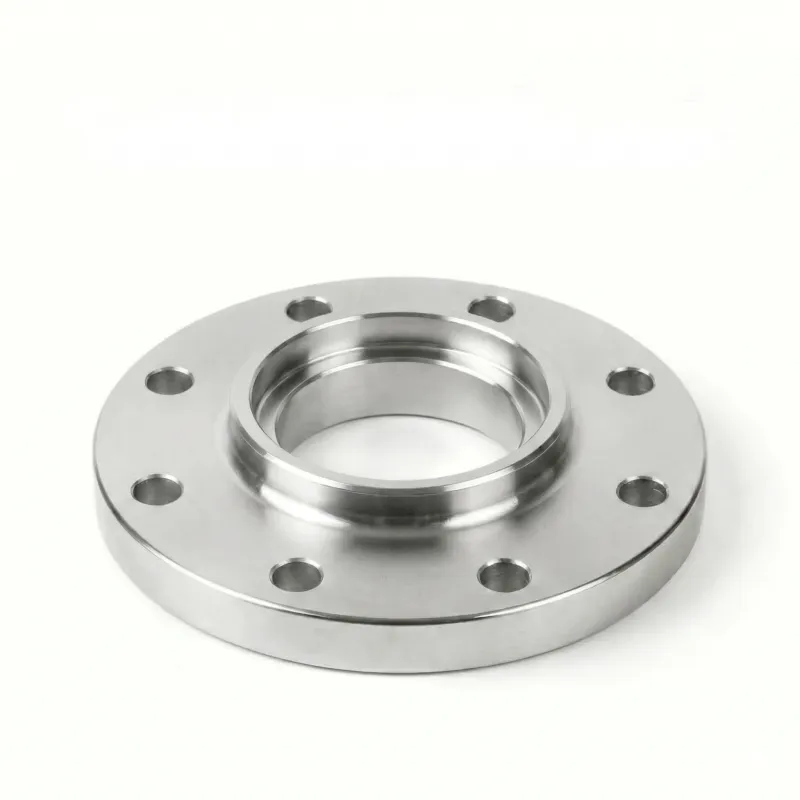
Socket Weld Flanges
Benefits Completely Smooth Internal Flow: The internal bore matching prevents the formation of internal fluid shelves or geometric pockets, reducing turbulence, inline friction drop, and localized fluid erosion. Streamlined Field Alignment: The socket counterbore acts as a built-in guide that centers and aligns the pipe end automatically, eliminating the need for temporary clamping or tacking adjustments during weld preparation. High Resistance to Structural Fatigue: Engineered with a single external fillet weld that safely handles localized mechanical stress and system vibrations, reducing the long-term risk of joint separation. Applications Socket weld flanges are widely deployed across high-pressure mechanical utilities to establish rigid, compact flanged connections on small-bore pipe networks. In high-pressure oil and gas hydraulic instrumentation networks, high-yield Carbon Steel socket weld flanges securely bridge hydraulic fluid loops where they withstand intense physical vibration and pressure surges. Chemical processing setups leverage Stainless Steel and High Nickel Alloy socket weld flanges to guide hazardous chemical feeds and aggressive reagents, utilizing their flat internal flow profiles to eliminate crevices that trigger rapid chemical pitting. In thermal power stations, high-temperature Alloy Steel socket weld connections are integrated into auxiliary superheated steam bypasses and boiler sampling lines to manage continuous thermal expansion safely. Additionally, marine engineering platforms employ erosion-resistant Cupronickel socket weld configurations on onboard clean-water lines and fire-suppression networks to handle continuous hull movements while providing excellent long-term immunity against chloride-accelerated atmospheric rust.
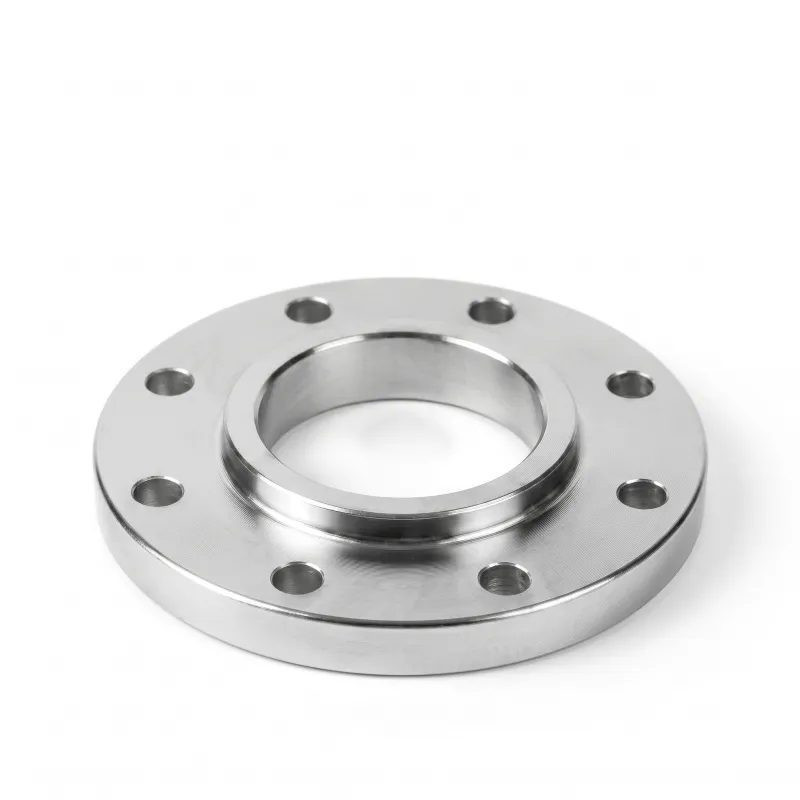
SORF FLANGES
Benefits Effortless Field Alignment: The ability to slide freely over the pipe allows installation crews to orient bolt holes rapidly and adjust the final pipe length before executing structural welds. Enhanced Gasket Sealing Efficiency: The raised face concentrates bolting compression directly onto the intermediate gasket, ensuring an exceptional liquid-tight seal that prevents fluid bypass under standard service loads. Low Procurement and Pre-weld Costs: Offers a highly economical raw material profile compared to heavy weld neck flanges and removes the requirement for complex, precision beveling cuts on pipe ends. Applications SORF flanges are extensively deployed across low-to-medium pressure industrial utilities where cost-efficiency and quick alignment are vital. In municipal wastewater grids and cooling water loops, Carbon Steel SORF flanges are welded to major pipeline sectors to provide secure, easily maintained structural links. Chemical processing installations leverage Stainless Steel and High Nickel Alloy SORF joints within utility headers and storage transfer lines to guide moderately aggressive media while providing excellent resistance against localized pitting. Within power generation plants, Alloy Steel slip-on configurations are integrated into secondary auxiliary steam networks to manage fluid redirection safely without layout clutter. Additionally, marine engineering infrastructures rely on corrosion-resistant Cupronickel SORF flanges within onboard ballast systems and desalination plants to successfully counter continuous structural vibration while delivering long-term protection against chloride-accelerated rust.
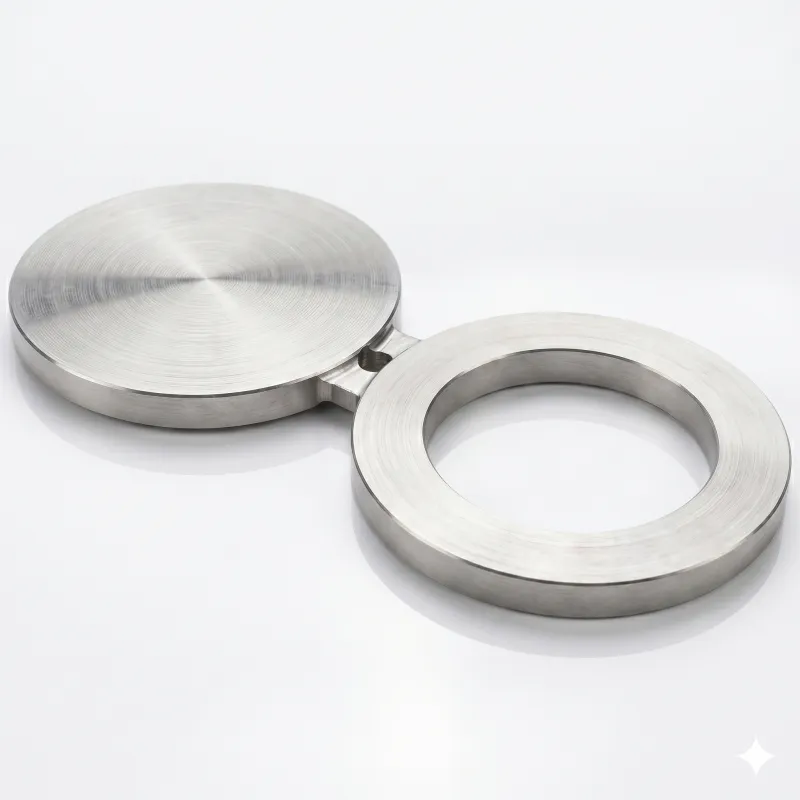
Spectacle Blind Flanges
Benefits Fail-Safe Visual Status Verification: The unique figure-8 external geometry extends past the flange diameter, giving safety inspectors instant visual confirmation of the line's open or isolated status. Rapid Mechanical Line Swapping: Allows field maintenance crews to pivot the assembly quickly without disconnecting the entire line run, requiring them to only loosen the flange bolts and rotate the web. Absolute Zero-Leak Isolation: Provides a completely solid, uninterrupted mechanical barrier that easily withstands high hydraulic and pneumatic pressures, completely eliminating the risk of hazardous fluid bypass. Applications Spectacle blind flanges are widely deployed across heavy industrial networks to provide absolute physical isolation during equipment turnarounds and shutdown maintenance. In oil and gas refining manifolds, high-yield Carbon Steel spectacle blinds are integrated directly into crude oil feed lines to block volatile hydrocarbons safely during downstream pump repairs. Chemical processing complexes rely on Stainless Steel and High Nickel Alloy spectacle blinds to isolate active reactor vessels and aggressive acid lines, delivering crucial protection against localized pitting and dangerous chemical emissions. Within modern thermal power generation plants, heavy-duty Alloy Steel figure-8 blinds are installed on main steam bypass lines to ensure complete isolation under intense thermal cycle loads. Additionally, marine engineering platforms employ erosion-resistant Cupronickel spectacle blinds in onboard desalination systems and offshore seawater cooling loops to ensure secure, long-term line isolation that resists aggressive chloride-accelerated corrosion.
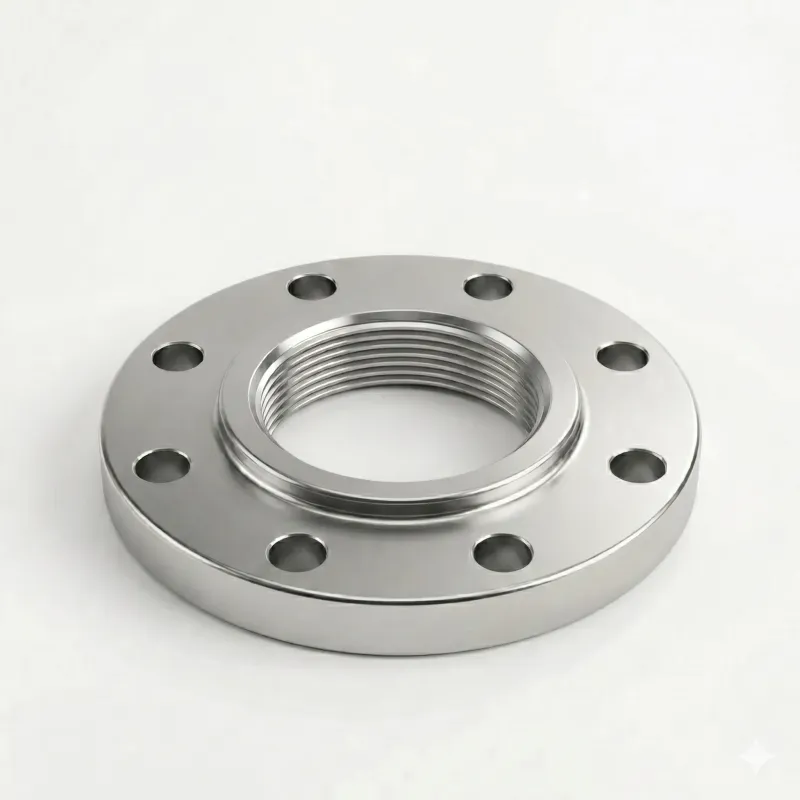
Threaded Flanges
Benefits No-Welding Safe Installation: Eliminates the need for open-flame welding or specialized heat-treatment procedures, making it highly advantageous for explosive or volatile gas environments. Rapid System Assembly and Modification: Screws directly onto pre-threaded pipe ends, significantly reducing fabrication time and allowing for straightforward disassembly or line adjustments during maintenance. Exceptional Small-Bore Performance: Provides a stable, leak-proof mechanical joint on small-diameter lines under standard operating loads when paired with appropriate thread sealants. Applications Threaded flanges are widely implemented across industrial utility grids where small-bore connections must be completed without high-risk welding operations. In highly sensitive oil and gas refining complexes, Carbon Steel threaded flanges are utilized within auxiliary fuel transfer and lubrication loops where open welding sparks represent a severe safety hazard. Chemical processing plants leverage Stainless Steel and High Nickel Alloy threaded connections to attach instruments and auxiliary lines to chemical storage manifolds, delivering vital protection against localized pitting without altering the material's micro-structure through welding heat. Within modern utility installations and water treatment grids, these flanges are integrated into low-pressure distribution lines to ensure swift layout maintenance. Additionally, marine engineering platforms employ erosion-resistant Cupronickel and Stainless Steel threaded configurations on onboard small-bore water supply networks and drainage loops to maintain reliable joint stability while resisting rapid chloride-accelerated atmospheric rust.
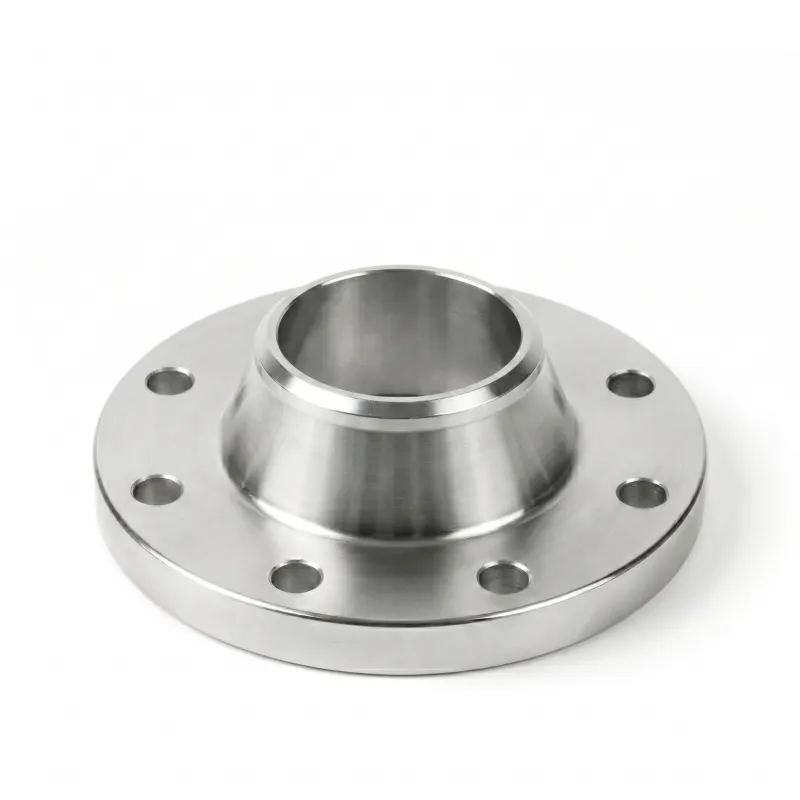
Weld Neck Flanges
Benefits Superior Stress Distribution: The long, tapered hub acts as a smooth structural transition that absorbs extreme pipeline bending stresses and continuous hydraulic pressure drops, minimizing the risk of joint failure. Impervious Leak Prevention: The full-penetration butt-weld configuration ensures a high-integrity mechanical bond that can be easily radiographed for total quality assurance, completely eliminating the risk of hazardous fluid bypass. Minimized Fluid Turbulence: The internal bore is precision-machined to match the inner diameter of the connecting pipe, providing an entirely smooth internal flow path that reduces erosion and inline friction drops. Applications Weld neck flanges are widely deployed across critical industries to secure heavy-duty process lines operating under extreme pressure-temperature conditions. In oil and gas refining complexes, Carbon Steel weld neck flanges are standard on primary crude transport lines and high-pressure manifold grids to safely contain volatile hydrocarbons. Chemical processing plants heavily rely on Stainless Steel and High Nickel Alloy weld neck flanges to secure high-temperature reactor nozzles and hazardous gas transfer loops, delivering essential protection against extreme localized pitting and stress-corrosion cracking. Within modern thermal power generation stations, heavy-walled Alloy Steel weld neck connections are integrated into main superheated steam lines to manage massive thermal expansion cycles without suffering structural creep. Additionally, marine engineering platforms employ erosion-resistant Cupronickel and Stainless Steel weld neck configurations on offshore deep-sea drilling grids and high-pressure water injection systems to withstand continuous wave vibrations and rapid chloride-accelerated corrosion.