Fittings.
Browse standard dimensions, grade specifications, and discover verified suppliers for Fittings.
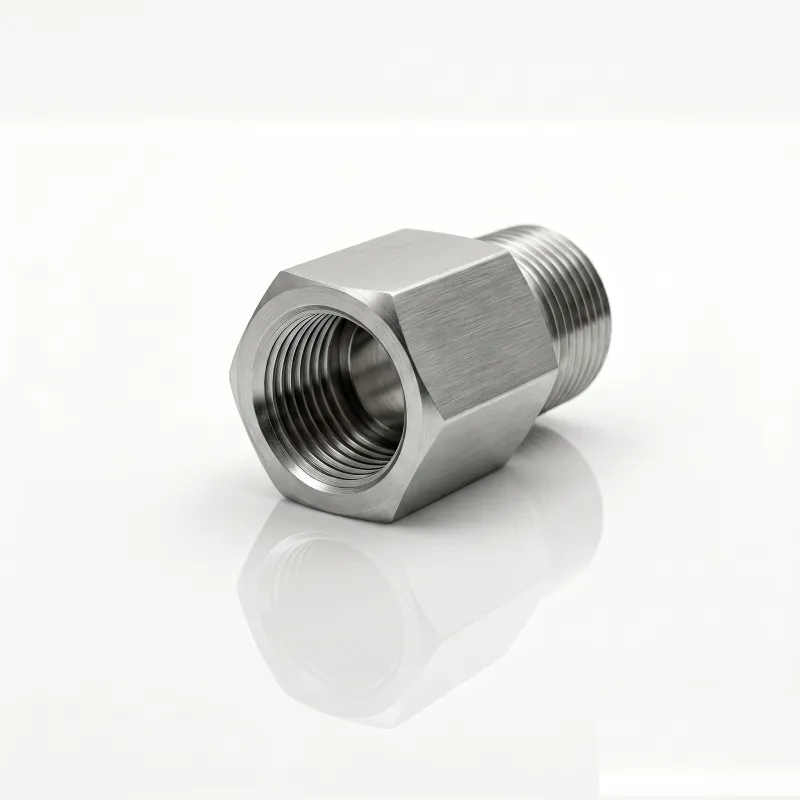
Adapter Fittings
Benefits Cross-System Interconnection: Resolves compatibility challenges by bridging disparate connection standards (NPT, BSP, Socket Weld, Butt Weld) within a single piping run. Leak-Proof Connection Transitions: Precision CNC-machined thread profiles and joint faces ensure a completely tight, reliable seal that blocks fluid or gas bypass under high pressure. Robust Mechanical Strength: Heavy-duty forged construction prevents structural distortion or thread stripping when applying high installation torque in extreme environments. Applications Adapter fittings are widely installed across process networks to safely interface imported equipment and diagnostic instrumentation with local piping standards. In international chemical processing grids, Stainless Steel and High Nickel Alloy adapters connect foreign-built chemical dosing pumps to standard process lines, providing crucial resistance against rapid chemical pitting and localized corrosion. The oil and gas refining sector leverages heavy-duty Carbon Steel adapters to link high-pressure hydraulic control lines to valves, relying on their high mechanical strength to handle immense systemic vibration. In thermal power stations, high-temperature Alloy Steel adapters step down connection styles to anchor steam monitoring gauges safely without risking structural creep under prolonged operational heat loops. Additionally, marine engineering environments rely on erosion-resistant Cupronickel adapters within compact bilge lines and saltwater cooling networks to convert thread styles efficiently while providing long-term protection against chloride corrosion.
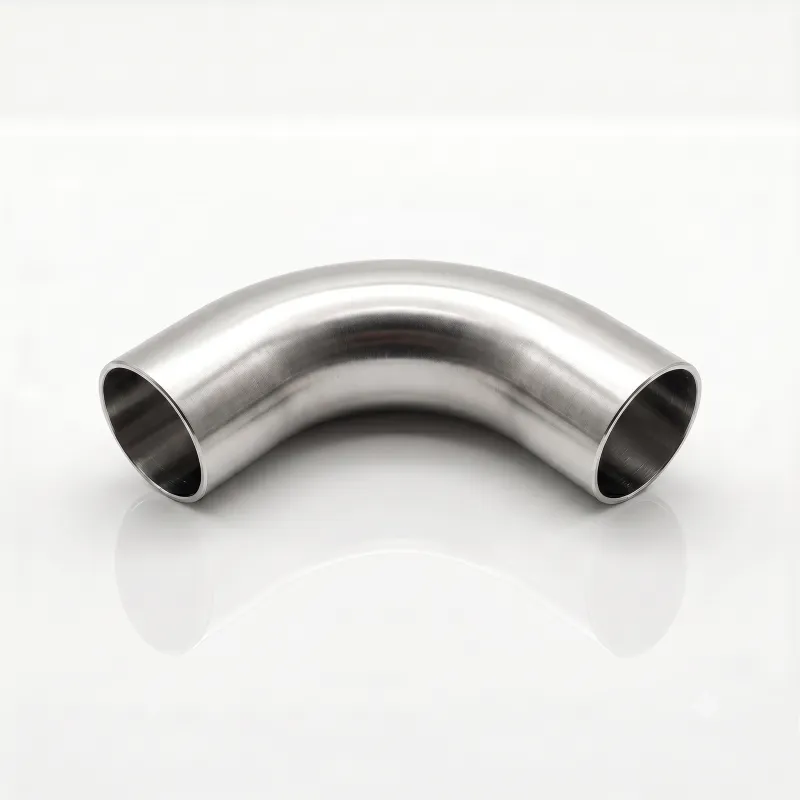
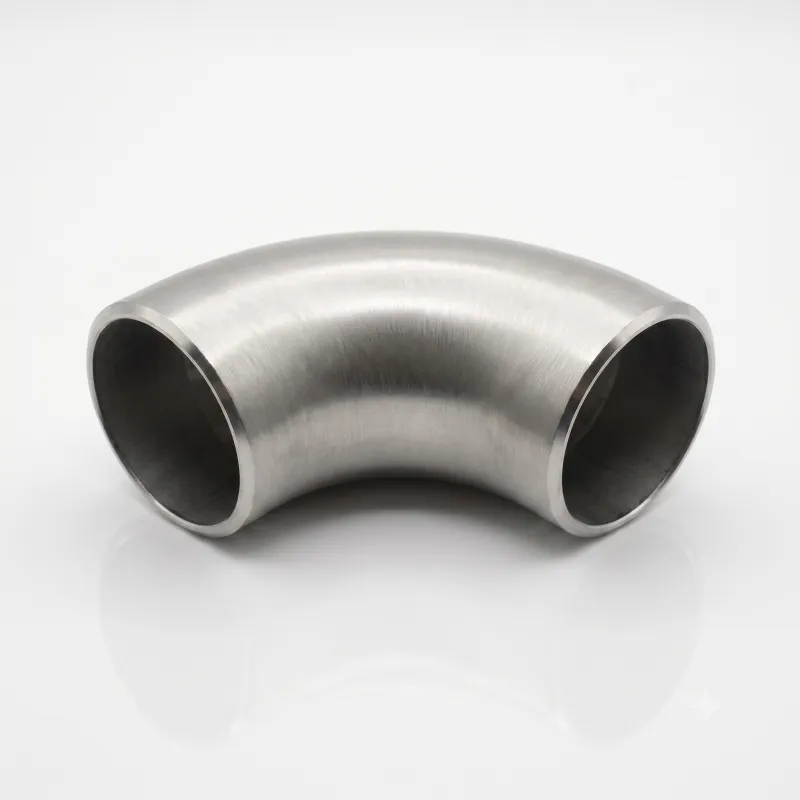
Bend Fittings
Benefits Minimal Pressure Drop and Turbulence: The sweeping, large-radius design ensures a smooth fluid transition, reducing internal friction losses and optimized volumetric flow rate efficiency. Superior Wear and Erosion Resistance: By spreading out the directional change over a wider surface area, it drastically minimizes localized erosion from abrasive particles or high-velocity media. Piggability for Easy Cleaning: The gentle internal curvature allows standard pipeline inspection gauges (pigs) to pass through smoothly for routine cleaning, maintenance, and structural monitoring. Applications Bend fittings are widely deployed across heavy industries to manage complex fluid routing over vast distances and through harsh physical terrain. In cross-country oil and gas transport pipelines, high-yield Carbon Steel 3D and 5D bends are utilized to redirect high-pressure oil flows smoothly around geographical obstacles while ensuring the line remains fully piggable for interior cleaning. Chemical processing plants leverage Stainless Steel and High Nickel Alloy bends to route aggressive, abrasive slurry media safely, relying on the gradual sweep to prevent localized pitting and erosion wear at the turn. Within modern power generation systems, specialized high-temperature Alloy Steel bends are integrated into critical steam supply lines, where they handle high thermal expansion stresses without suffering structural creep. Additionally, marine engineering platforms employ corrosion-proof Cupronickel and Stainless Steel bends in offshore seawater cooling lines to redirect high-volume salt-water flows without inducing rapid chloride-accelerated erosion.
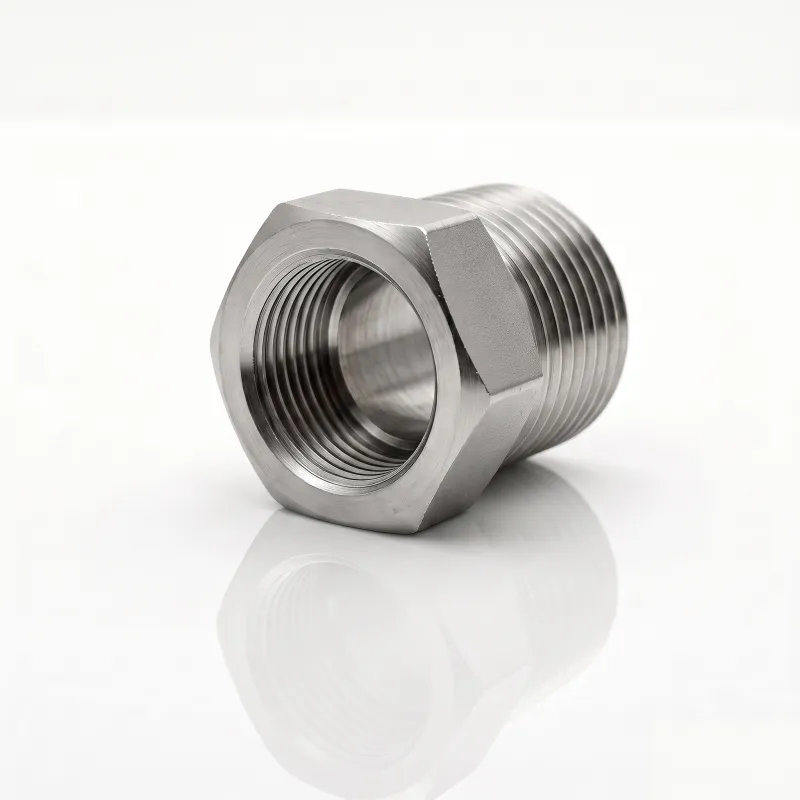
Bushing Fittings
Benefits Maximum Space Optimization: Sits nearly flush inside the host fitting, providing an ultra-low profile diameter reduction that fits easily inside restricted or confined operational envelopes. Leak-Proof Mechanical Sealing: Precision-cut NPT or BSP male and female threads ensure a flush, deep engagement that prevents media bypass or systemic pressure loss. Streamlined Hex Torque Application: Engineered with an integrated hexagonal outer head that allows installation teams to easily apply maximum tightening torque using standard field wrenches. Applications Bushing fittings are extensively deployed across process networks to downsize line ports for instrumentation and gauge integrations. In automated chemical processing lines, Stainless Steel and High Nickel Alloy hex bushings adapt primary manifold ports to fit miniature chemical sampling valves, providing essential protection against localized chemical pitting. The oil and gas refining sector leverages heavy-duty Carbon Steel bushings to link hydraulic feed lines directly to control pumps, relying on their robust forged bodies to withstand sudden hydraulic vibrations. In thermal power stations, high-temperature Alloy Steel bushings safely step down main piping joints to attach thermal sensors without risking structural creep under prolonged heat loops. Additionally, marine engineering systems rely on erosion-resistant Cupronickel bushings in compact bilge distribution grids and desalination lines to complete sudden size reductions without creating spatial clutter inside crowded ship hulls.
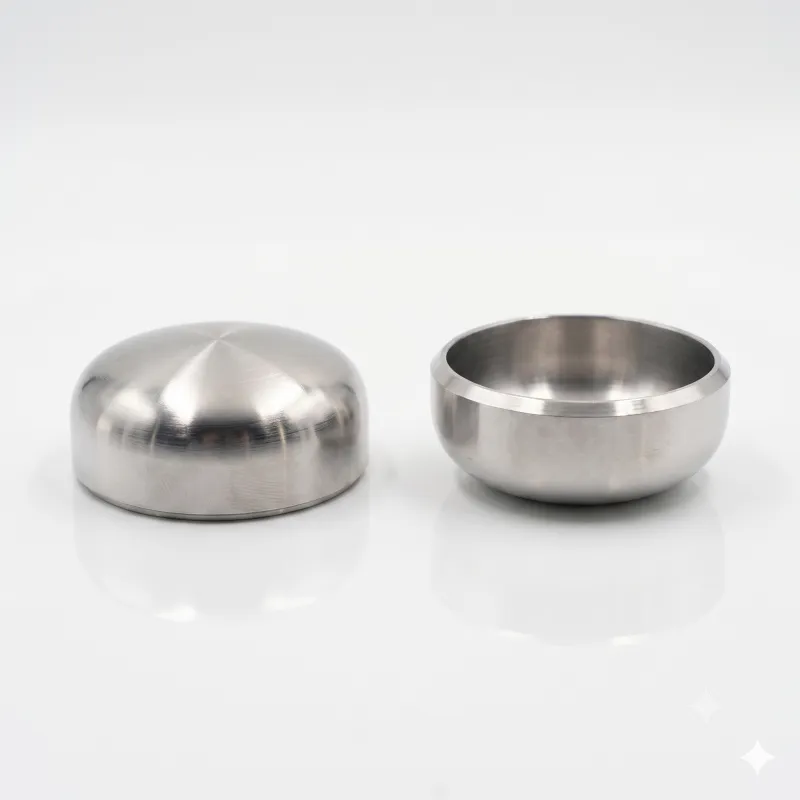
CAP/END CAP Fittings
Benefits High-Integrity Leak Prevention: Precision-contoured internal chambers provide a total structural block that successfully eliminates fluid or gas migration under deep systemic pressure. Balanced Stress Distribution: Designed with optimal dished, convex, or hemispherical profiles that spread internal pressure stresses evenly across the dome, preventing mechanical deformation or blowout failure. Corrosion and Debris Protection: Provides a reliable seal that locks out external air, moisture, and debris while protecting internal pipe walls from rust during construction or staging phases. Applications Cap and end cap fittings are utilized across heavy industries to permanently seal or temporarily isolate pipeline headers. In oil and gas transport setups, Carbon Steel dished caps securely terminate high-pressure distribution manifolds, providing safety blocks at expansion zones. Chemical processing facilities rely on Stainless Steel and High Nickel Alloy end caps to seal off dead-legs and processing tanks containing corrosive chemical media. For power generation plants, thick-walled Alloy Steel end caps are welded to the ends of high-temperature steam lines to contain pressure loops during turbine bypass procedures. Additionally, marine engineering platforms employ Cupronickel end caps in onboard saltwater fire lines and cooling mains to resist external atmospheric moisture and internal chloride attacks.
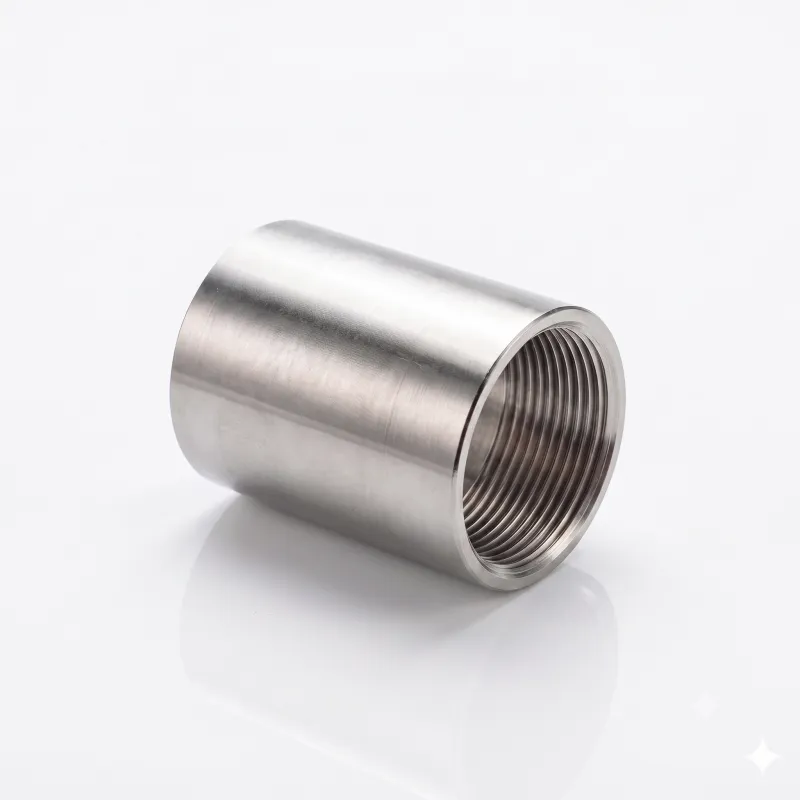
Coupling Fittings
Benefits High-Efficiency Leak Elimination: Features precision-cut NPT/BSP threads or highly uniform weld sockets that guarantee an airtight seal under extreme hydraulic pressures. Structural Joint Reinforcement: Thick-walled metal construction absorbs inline longitudinal stresses and mechanical shifting, reinforcing the physical connection point. Streamlined Spacing Maintenance: Available in space-saving close styles, reducing line footprint and allowing rapid line modifications without cutting main pipes. Applications Coupling fittings are extensively utilized across mechanical networks to build long-run fluid supply systems and mount instrumentation devices. In chemical processing grids, Stainless Steel and High Nickel Alloy couplings connect critical reaction lines, providing essential immunity against pitting from harsh chemical reagents. In the oil and gas sector, high-yield Carbon Steel full couplings are used to bridge long high-pressure transport pipes, preventing joint failure from volatile pressure spikes. Power generation facilities use Alloy Steel half-couplings welded onto large headers to mount pressure gauges and thermal sensors into superheated steam lines safely. Additionally, marine systems use Cupronickel couplings to extend seawater cooling loops, ensuring the connections withstand constant wave vibrations and chloride corrosion.
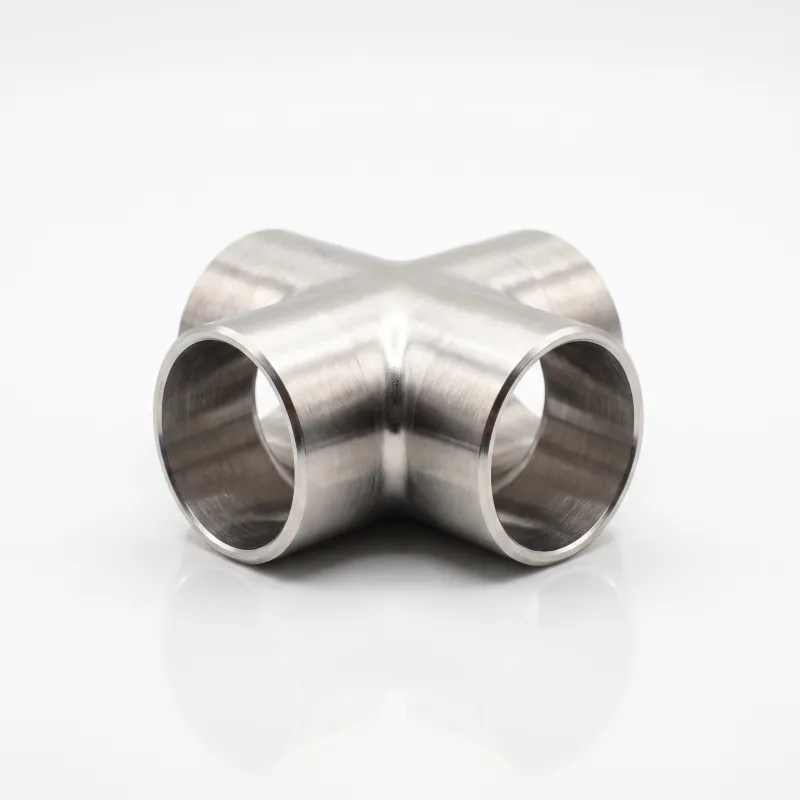
Cross Fittings
Benefits Multi-Directional Network Consolidation: Streamlines piping layout engineering by replacing multiple tee links with a single, integrated four-way terminal, minimizing total structural footprint. Balanced Hydraulic Stress Resistance: Precision-forged wall boundaries distribute localized fluid forces uniformly across all four junction points, preventing mechanical joint separation during rapid system pressure shifts. Uniform Joint Fitment Precision: Machined to exact industry socket or threading tolerances to guarantee absolute airtight sealing and minimize friction-induced pressure drop. Applications Cross fittings are widely deployed in modern industrial piping environments where fluid must be simultaneously balanced across distinct subsystems. In automated chemical processing lines, Stainless Steel and High Nickel Alloy crosses split uniform flow streams into separate reactor cells, preventing unequal corrosion profiles while resisting localized chemical deterioration. The oil and gas refining industry utilizes heavy-walled Carbon Steel crosses within high-pressure injection lines to route multi-directional flow, relying on their high yield limits to withstand severe volumetric backpressure. In power generation plants, specialized high-temp Alloy Steel cross joints tie multiple auxiliary steam loops into central boilers without suffering creep or stress fracturing under prolonged thermal loads. Additionally, marine engineering platforms employ erosion-resistant Cupronickel crosses in compact fire safety distribution loops and ballast manifolds to maximize spatial efficiency inside restricted ship hulls.
Elbow Fittings
Benefits Turbulence and Pressure Reduction: Engineered with optimized internal curvature radii (Long Radius or Short Radius) to ensure seamless fluid transition, significantly decreasing inline friction and pressure drop. Leak-Proof Structural Integrity: Precision machined connection boundaries allow for deep socket welding or seamless thread engagement, preventing fluid migration under severe hydraulic stress. High Thermal and Fatigue Resistance: Built to absorb sudden thermal shocks, structural expansion, and continuous mechanical vibration without creating structural stress fractures.ApplicationElbow fittings are widely deployed across heavy industries to manage complex fluid routing through spatial restrictions. In chemical processing plants, High Nickel Alloy and Stainless Steel elbows are used to navigate aggressive process media, offering vital resistance against severe localized corrosion and pitting. In oil and gas refineries, Carbon Steel and high-yield Alloy Steel elbows are utilized to reroute high-velocity crude oil and gas transport feed lines where they effectively withstand immense volumetric fluid pressures. For power generation facilities, specialized Alloy Steel elbows are integrated into superheated steam loops because they maintain high tensile strength under extreme thermal loads. Additionally, in marine engineering and offshore platforms, Cupronickel and Stainless Steel elbows are standard in seawater cooling loops and bilge systems to prevent rapid chloride-induced erosion and corrosion.
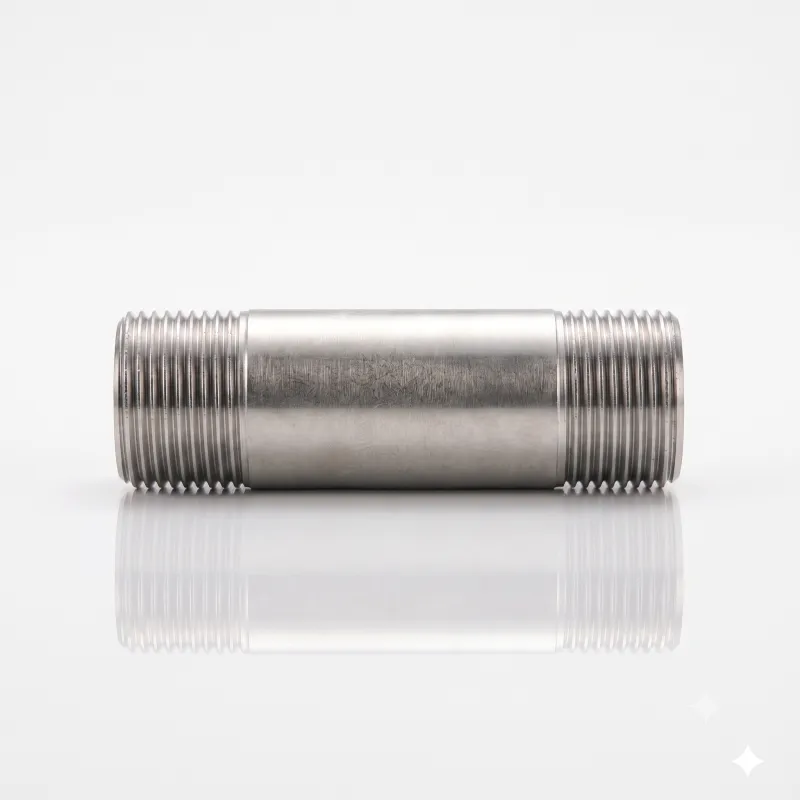
Nipple Fittings
Benefits Leak-Tight Precision Threading: Machined with highly accurate NPT or BSP male threads that ensure a flush, secure engagement with female ports, preventing fugitive emissions or pressure drops. Compact Layout Flexibility: Available in close (fully threaded), short, and long barrel lengths, allowing engineers to complete tight spacing adjustments in highly restricted or complex layout zones. Exceptional Pressure Containment: Solid wall construction provides high mechanical strength, allowing the fitting to withstand severe internal fluid forces and heavy operational torque during installation. Applications Nipple fittings are vital cross-industry components used to connect flow control devices to main pipeline headers. In oil and gas refineries, Carbon Steel swage and barrel nipples connect pressure gauges, transmitters, and isolation valves directly to high-pressure process pipelines. Chemical processing plants heavily utilize Stainless Steel and High Nickel Alloy hex nipples to connect sensitive chemical sampling lines where corrosion and chemical attack must be prevented. In power generation facilities, heavy-walled Alloy Steel nipples are vital for linking steam line headers to auxiliary equipment because they hold up under thermal expansion. Furthermore, marine systems use Cupronickel nipples to connect seawater cooling piping to control instrumentation because the material successfully resists localized chloride pitting.
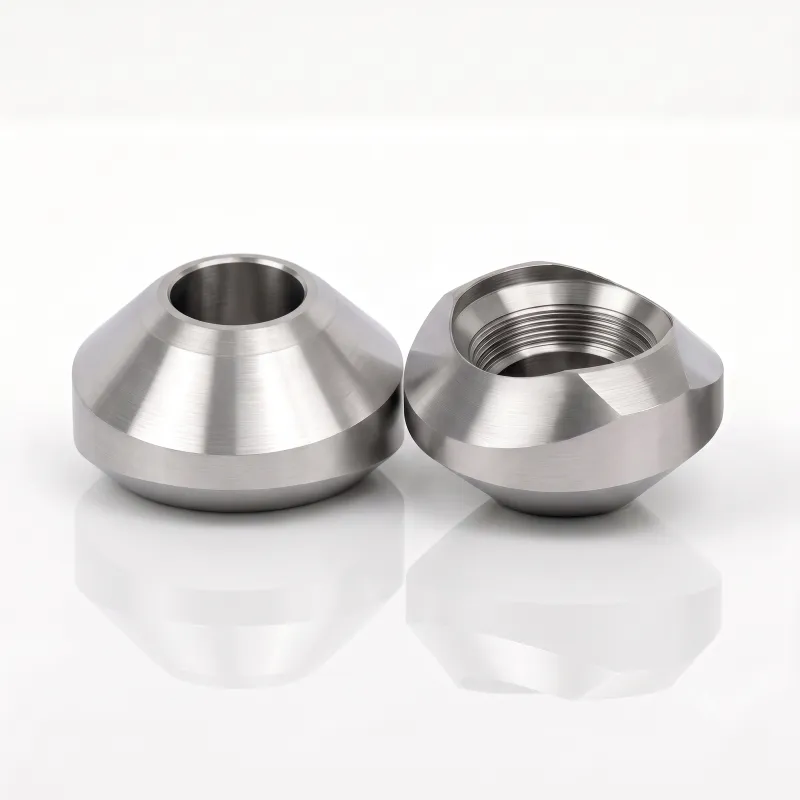
Olet Fittings
Benefits Precision Machined Thread Taper: The internally threaded profile features high-accuracy NPT/BSP threads to ensure complete sealing engagement with male pipe ends, preventing pressurized fluid leakage. Integrally Reinforced Junction: The forged body distribution layout completely eliminates the risk of structural cracks or catastrophic fatigue failure at the branch intersection under severe line pulsing. Streamlined Manifold Fabrication: Replaces traditional full-sized reducing tees by requiring only one contour weld seam, significantly decreasing welding time and non-destructive radiography testing costs. Applications These specific olet fittings are extensively used in high-pressure processing lines to tap small instrument connections into large-diameter product headers. In chemical processing utilities, Stainless Steel and High Nickel Alloy Thredolets are welded to main process lines to attach pressure transmitters and thermowells, shielding the sensor attachment from localized chemical pitting. The oil and gas refining sector relies heavily on heavy-duty Carbon Steel Weldolets to construct multi-line branch manifolds for crude oil routing where the fittings absorb severe hydraulic pressure surges. In thermal power stations, Alloy Steel branch connections are integrated into main steam supply loops to manage auxiliary drainage lines safely under extreme thermal expansion conditions. Additionally, marine engineering platforms employ corrosion-proof Cupronickel branch ports on centralized seawater cooling lines to hook up diagnostic tools without introducing localized structural weakness or flow restriction.
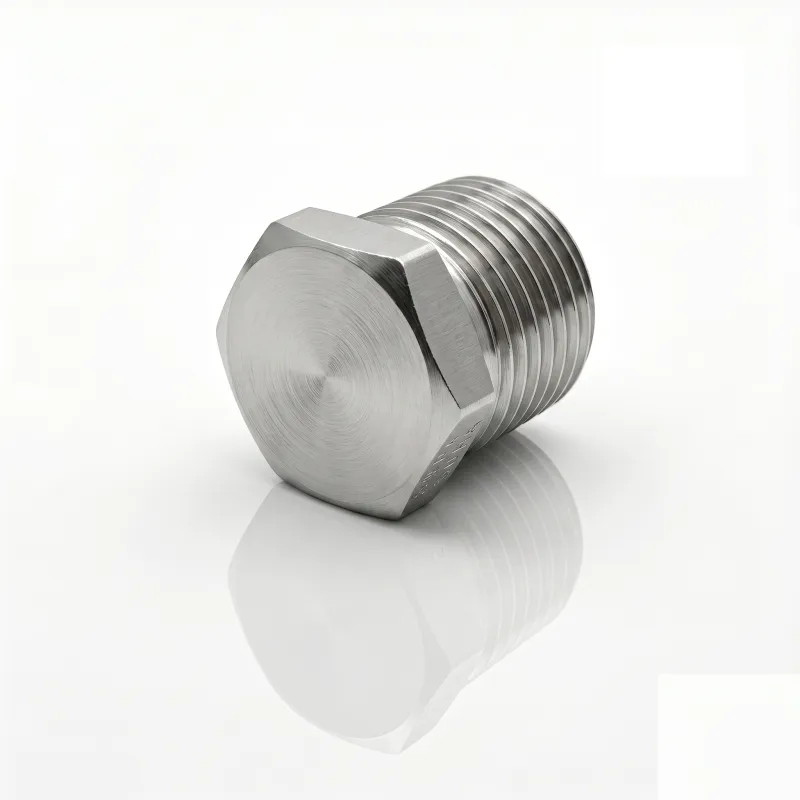
Plug Fittings
Benefits Complete Seal Integrity: Engineered with precision-cut NPT or BSP male threads to guarantee an airtight, leak-proof mechanical joint that successfully resists high pneumatic and hydraulic pressures. Streamlined Maintenance Accessibility: The external hex or square driving head allows for rapid installation and easy removal using standard field wrenches, simplifying routine line washouts or inspections. Compact, Space-Saving Profile: Sits flush or closely against the connected fitting, providing an excellent low-profile dead-end closure that fits easily inside extremely tight spatial layouts. Applications Plug fittings are widely used throughout industrial pipeline networks to securely block auxiliary ports and branch lines. In oil and gas refining complexes, high-strength Carbon Steel hex plugs are screwed into manifold drain valves and bypass loops to create a secure safety barrier against volatile pressure spikes. Chemical processing plants heavily rely on Stainless Steel and High Nickel Alloy plugs to seal unused tank connections and sampling ports, preventing chemical leaks and resisting harsh acidic corrosion. In thermal power stations, heavy-walled Alloy Steel plugs are integrated into high-temperature header lines to securely block off test ports under continuous thermal stress. Additionally, marine engineering systems utilize corrosion-proof Cupronickel and Stainless Steel plugs in onboard hydraulic grids and seawater cooling mains to prevent localized chloride pitting and atmospheric rust.
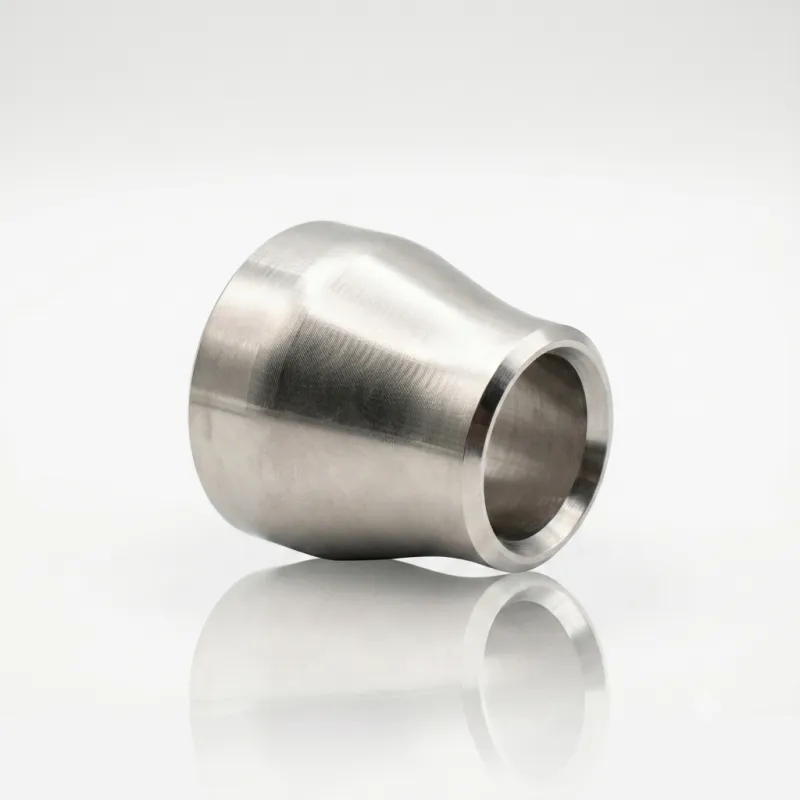
Reducer Fittings
Benefits Optimized Pressure and Velocity Control: Prevents severe inline turbulence and sudden pressure drops by providing a gradual, engineered change in internal cross-sectional area. Elimination of Fluid/Gas Trapping: Eccentric variations maintain a flat profile on one side, ensuring complete system drainage and preventing harmful vapor locking or cavitation near pump inlets. High Structural Integrity at Joints: Thick-walled, robust construction allows the fitting to securely withstand uneven mechanical stresses caused by fluid concentration shifts. Applications Reducer fittings are widely installed in industrial infrastructure to link uneven header piping networks to equipment nozzles. In oil and gas refining operations, Carbon Steel concentric reducers adjust high-volume feed pipeline sizes to fit direct control valve intakes smoothly. Chemical processing plants leverage Stainless Steel and High Nickel Alloy eccentric reducers on horizontal pump suction lines to guarantee that vapor bubbles do not form and destroy internal pump impellers. Within high-pressure power generation facilities, heavy-walled Alloy Steel reducers bridge high-temperature steam lines to secondary headers without suffering structural creep. Marine and offshore systems rely on robust Cupronickel reducers in ballast and cooling loops to withstand rapid diameter changes while continuously resisting salt-water corrosion.
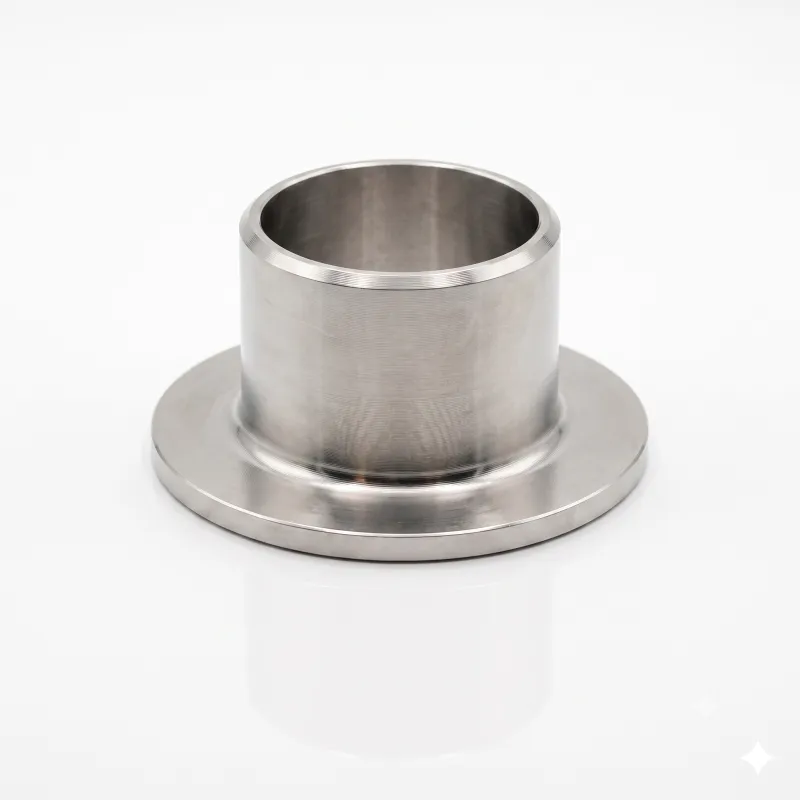
STUB END Fittings
Benefits Simplified Bolt-Hole Alignment: The backing flange rotates freely behind the stub end collar, which completely removes the need to align piping weld joints with fixed flange bolt holes during installation. Significant Material Cost Savings: In highly corrosive systems, only the stub end needs to be made of expensive corrosion-resistant alloys, while the loose backing flange can be made of economical carbon steel. Quick Assembly and Maintenance: Enables rapid mechanical disconnection and fast re-assembly of pipeline segments, making it highly useful for systems requiring routine cleaning or localized repairs. Applications Stub end fittings are widely used in industrial operations where piping systems must be regularly opened for clean-outs or structural adjustments. In chemical processing plants and paper mills, Stainless Steel and High Nickel Alloy stub ends are welded to the pipe runs to transport aggressive reagents, allowing operators to easily separate joints for maintenance without damaging expensive corrosion-proof lines. In municipal wastewater facilities and desalination plants, Carbon Steel and Cupronickel stub ends handle high-volume flow runs, offering a robust flanged connection that resists heavy environmental wear. Within energy generation loops, heavy-walled Alloy Steel stub ends are deployed in steam distribution systems to absorb mechanical stresses and facilitate easier alignment of piping lines near turbines and heavy machinery.
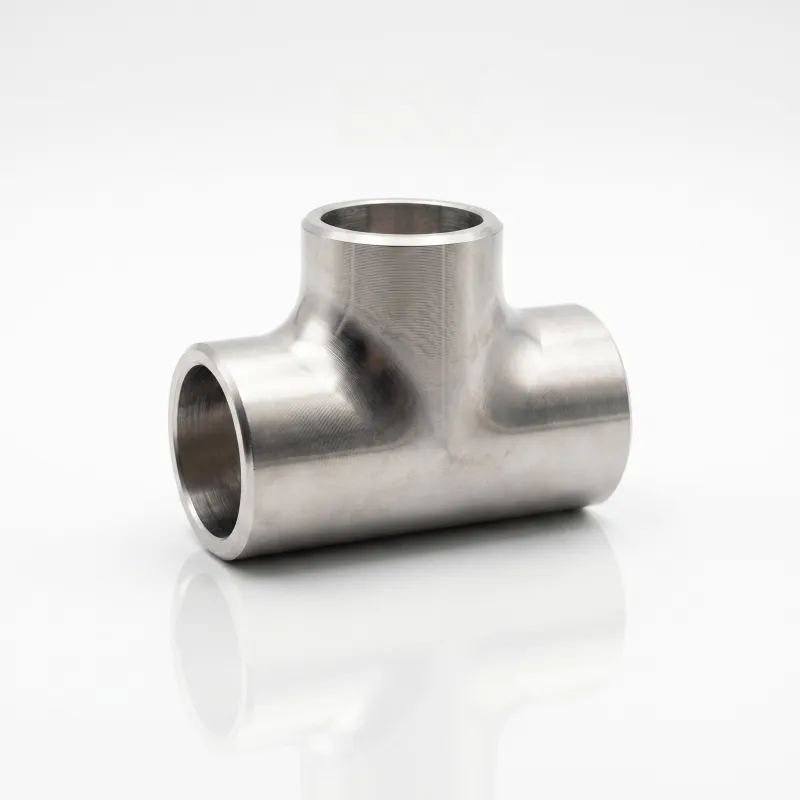
TEE Fittings
Benefits Efficient Multi-Directional Distribution: Simplifies systemic fluid distribution by establishing a rugged 90-degree lateral branch branch takeoff from a continuous line run without requiring complex layout multi-bends. Balanced High-Pressure Architecture: Forged and contoured body boundaries handle high internal velocity changes and directional friction forces, preventing localized fatigue or leakage at the junction. Precision Internal Machining: Tapered connection ports and seamless transitions reduce inline fluid turbulence, mitigating downstream friction drop and internal fluid erosion. Applications Tee fittings are deployed throughout industrial plant engineering layouts to connect main distribution lines to secondary equipment loops and storage manifolds. In modern chemical processing structures, Stainless Steel and High Nickel Alloy tees split active chemical lines safely, preventing structural leakage and resisting aggressive environmental oxidation. The oil and gas refining sector leverages high-yield Carbon Steel tees within large-diameter transport grids to branch crude fluid paths into distinct holding sectors under high operational pressures. For high-temperature power generation systems, thick-walled Alloy Steel tees serve as key junctions in superheated steam distribution setups, maintaining full tensile performance under extreme thermal strain. Additionally, marine engineering setups rely on robust Cupronickel and Stainless Steel tees within onboard bilge headers and seawater filtration networks to prevent rapid chloride-induced pitting.
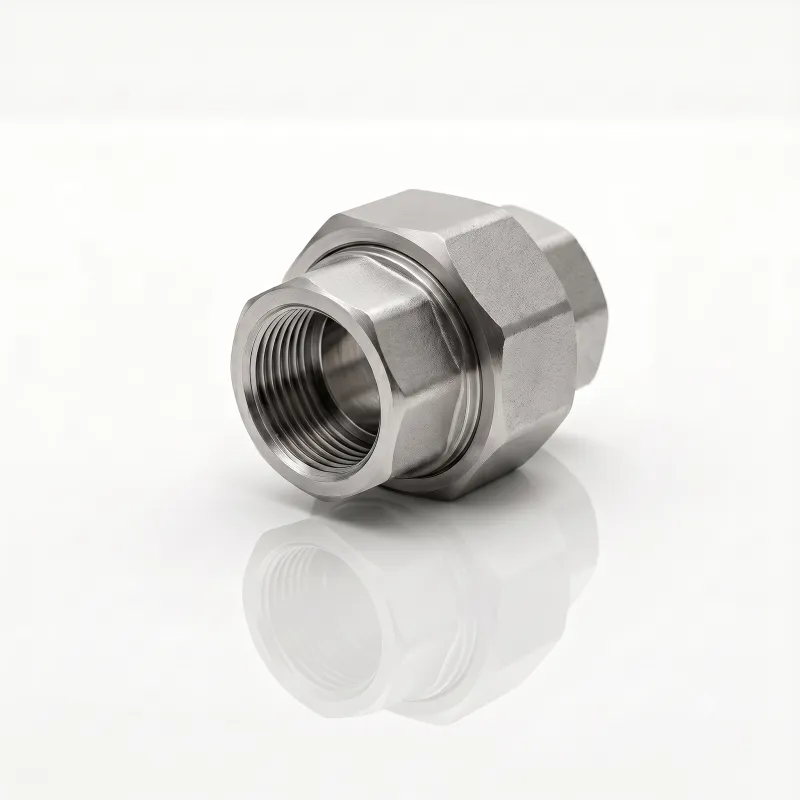
Union Fittings
Benefits Simplified Mechanical Disassembly: Features a three-piece design that allows operators to easily disconnect and isolate piping segments for repairs or cleaning without cutting into the pipeline or twisting existing runs. Leak-Proof High-Pressure Sealing: Precision-machined mating surfaces, often utilizing ground joint configurations or integrated O-rings, establish an airtight seal that easily handles high volumetric pressures. Streamlined Equipment Maintenance: Simplifies the removal and re-installation of inline valves, gauges, and pumps, minimizing system downtime during scheduled industrial maintenance shutdowns. Applications Union fittings are extensively utilized across fluid networks to link process instrumentation and flow controllers to main transport headers. In chemical processing plants, Stainless Steel and High Nickel Alloy unions are installed around metering pumps and control valves, allowing technicians to swap out components quickly while resisting severe chemical corrosion and localized pitting. The oil and gas sector leverages heavy-duty Carbon Steel unions to connect bypass lines and pressure gauges on production manifolds where they provide reliable protection against extreme vibration and pressure surges. In modern thermal power plants, specialized Alloy Steel unions are integrated into high-temperature auxiliary steam loops to manage clean-outs safely without causing stress cracking under continuous thermal cycling. Additionally, marine engineering setups rely on robust Cupronickel unions within onboard desalination systems and saltwater cooling grids, ensuring that connection points can be regularly opened for inspection without degrading from chloride erosion.