Home Products Suppliers directory Live Upvotes Sourcing Guides Insights & Blog
Supplier Portal Request Quote
Category Segment

Fasteners.

Browse standard dimensions, grade specifications, and discover verified suppliers for Fasteners.
Reset
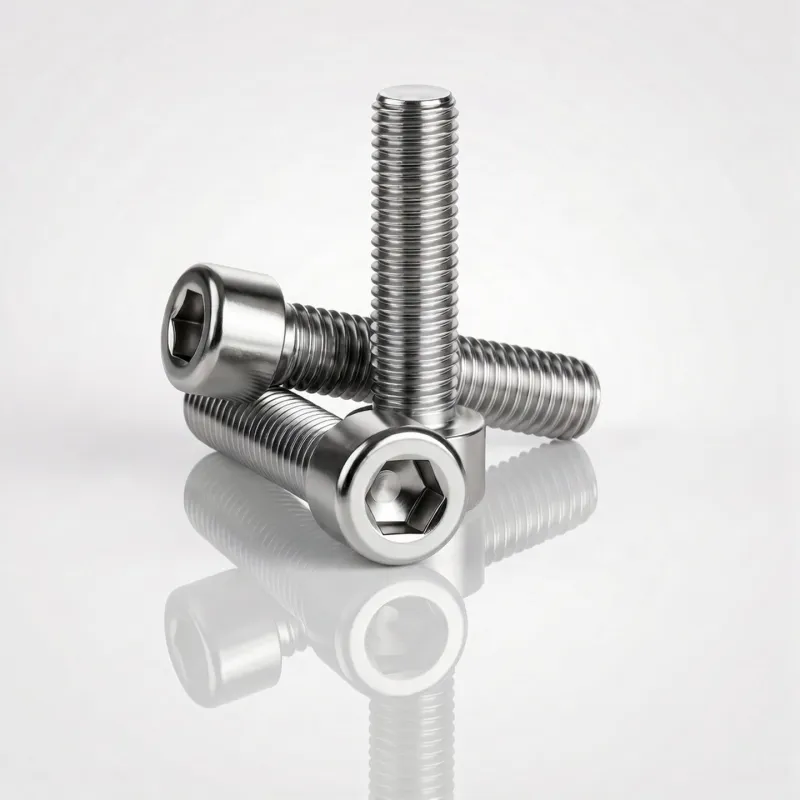
Allen Bolt
Fasteners

Allen Bolt

Benefits Compact, Recessed Head Profile: Designed to sit flush or completely sub-surface within counterbored holes, saving valuable layout space and providing a clean, snag-free exterior surface. Superior Torque and Anti-Cam-Out Engagement: Deep internal hexagonal socket walls allow field technicians to apply high tightening torque without slipping or stripping the fastener head. High Tensile Structural Load Distribution: Forged from high-grade alloy or stainless materials, these bolts absorb severe hydraulic pulsations, mechanical stress, and shearing forces without stretching or loosening. Applications Allen bolts are widely utilized across complex industrial machinery and pressurized piping components where space constraints prevent the use of standard hex wrenches. In high-pressure oil and gas refining complexes, ASTM A193 B7 alloy steel socket head cap screws are heavily specified to secure valve bodies, actuator housings, and manifold blocks under volatile pressure cycles. Chemical processing plants depend on Stainless Steel (316/316L) and High Nickel Alloy (Hastelloy C276/Inconel 625) Allen bolts to fasten pump casings, instrumentation flanges, and agitation drives exposed to aggressive chemical vapors and chloride environments. Within thermal power generation facilities, high-grade Class 12.9 heat-treated Allen bolts anchor turbine casings and high-vibration steam valve manifolds to maintain structural integrity under continuous thermal expansion. Additionally, marine engineering platforms employ corrosion-resistant Duplex and Stainless Steel Allen bolts in subsea hydraulic control panels and shipboard propulsion housings, ensuring reliable sub-surface clamping power that resists saltwater corrosion.

Anchor Bolt
Fasteners

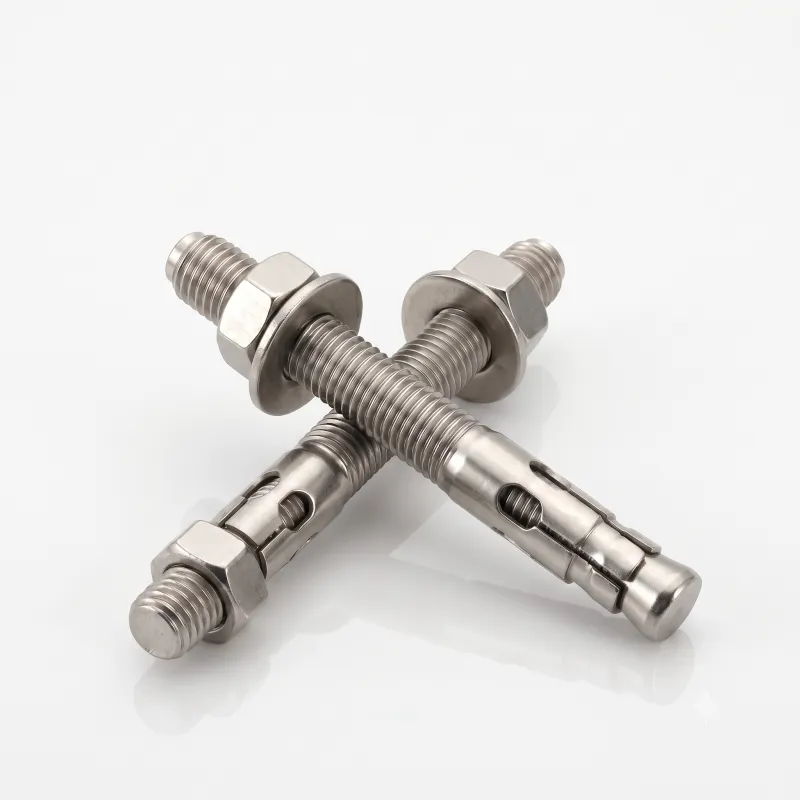
Anchor Bolt

Benefits High Load and Uplift Resistance: Embedded deep within concrete foundations to safely distribute immense tensile, bending, and shear loads generated by heavy industrial machinery or structural steel frames. Versatile Anchor Configurations: Available in L-shaped, J-shaped, straight stud, and expansion variants to match specific engineering foundation depths and load requirements. Vibration and Seismic Stability: Premium forged steel grades ensure the fastener maintains clamping force without loosening or fracturing under severe dynamic equipment vibrations or seismic activity. Applications Anchor bolts are fundamental load-bearing components across civil engineering, power plants, and industrial manufacturing sites where heavy structures must be permanently anchored to concrete. In oil and gas refining complexes and heavy manufacturing plants, high-tensile ASTM F1554 anchor bolts secure heavy compressor skids, storage tanks, and high-vibration pump bases, preventing equipment shift under intense operational loads. Civil infrastructure projects leverage hot-dip galvanized L-shaped and J-shaped anchor bolts to anchor structural steel building columns, bridge bearings, and high-mast lighting towers against high wind loads and atmospheric weather. Thermal and hydro power plants depend on high-strength alloy steel anchor studs to embed turbine housings and heavy steam manifolds directly into reinforced concrete foundations. Additionally, marine engineering platforms employ high-corrosion-resistant Duplex and Stainless Steel chemical anchor studs to fasten subsea structures, dock fender systems, and coastal crane rails exposed to continuous saltwater immersion.

Bolt
Fasteners

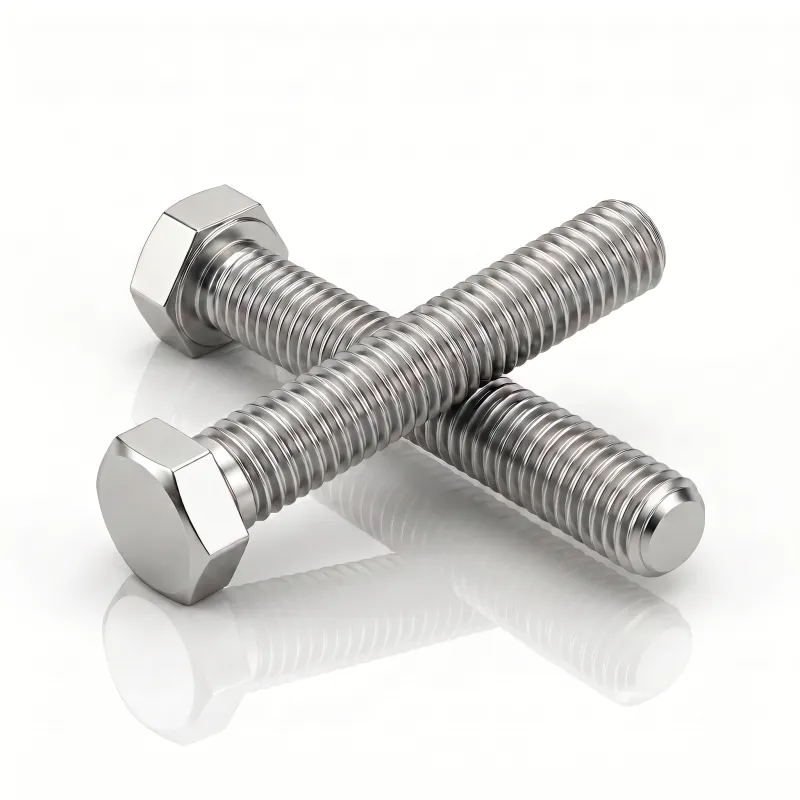
Bolt

Benefits High Axial Clamping Force: Generates exceptional pre-load tension across joint faces to prevent structural separation, fluid bypass, or thread loosening under operational stress. Non-Destructive Maintenance & Disassembly: Facilitates straightforward mechanical assembly and non-destructive removal, making it ideal for joints requiring routine inspection or component swapping. Superior Tensile and Shear Strength: Forged from high-grade carbon, alloy, and exotic stainless materials engineered to withstand severe physical vibration, dynamic thermal expansion, and extreme line pressures. Applications Bolts are essential structural fasteners deployed across every major engineering sector to join mechanical members, pressure vessels, and framework assemblies. In oil and gas refining complexes and petrochemical plants, high-tensile ASTM A193 B7 heavy hex bolts are heavily specified to secure flanged pipe joints, pressure valves, and heat exchanger shells handling volatile hydrocarbons under elevated pressures. Structural civil engineering and infrastructure projects utilize hot-dip galvanized high-strength structural bolts (ASTM A325/A490) to assemble steel building frames, bridges, and tower trusses exposed to high wind shears and outdoor weather. Thermal and nuclear power plants depend on high-temperature alloy steel stud bolts to lock turbine casings, steam manifolds, and boiler feeds safely without suffering thermal stress relaxation. Additionally, marine engineering and offshore oil platforms employ corrosion-proof Super Duplex and High Nickel Alloy bolts across subsea manifold skids, ballast pumps, and coastal structures to prevent rapid chloride-induced pitting and galvanic corrosion.  

Coupling Nut
Fasteners

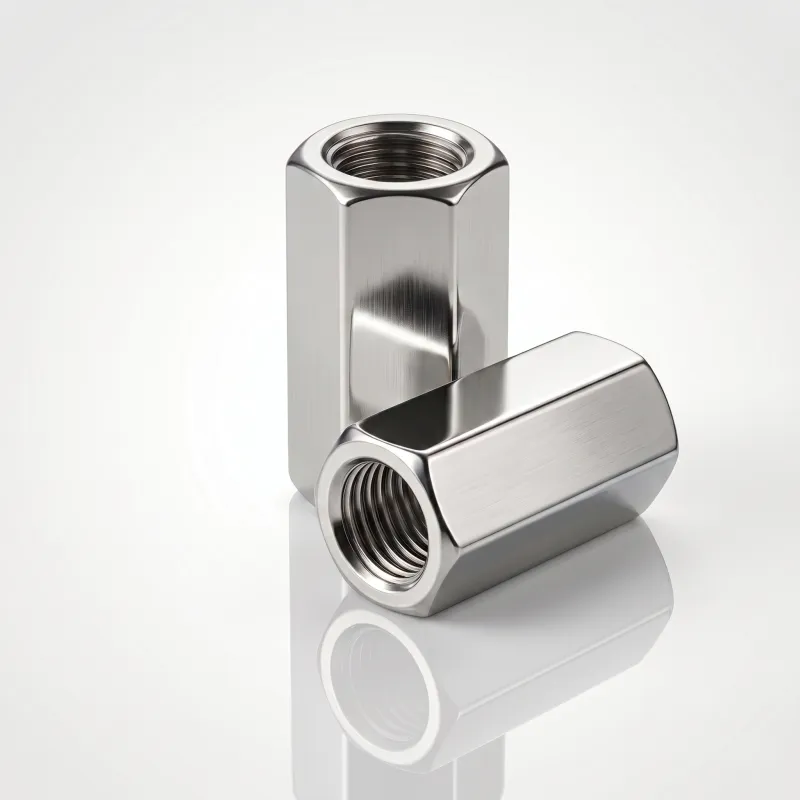
Coupling Nut

Benefits Extended Thread Engagement Length: Deep continuous internal threading ensures maximum contact area with male studs, providing high load-bearing capacity and preventing thread pull-out. Seamless Assembly Extension: Allows field technicians to easily extend threaded rods and anchor studs without welding or replacing existing structural hardware. High Torque and Alignment Control: Hexagonal outer profiles allow standard field wrenches to apply precise tightening torque, ensuring rigid, straight-line alignment across joined threaded bars. Applications Coupling nuts are essential extending and connecting fasteners widely utilized across civil construction, heavy machinery, piping supports, and industrial infrastructure. In civil engineering and building construction, hot-dip galvanized coupling nuts connect long vertical runs of threaded anchor rods to secure suspended MEP (mechanical, electrical, plumbing) tray supports, HVAC ducting, and structural ceiling grids. Oil and gas refining facilities and chemical processing plants rely on high-tensile ASTM A194 Grade 2H carbon steel and Stainless Steel (316/316L) coupling nuts to extend stud bolts on large vessel hangers, pipe support saddles, and structural skids exposed to corrosive chemical environments. Thermal power plants utilize high-temperature alloy steel coupling nuts to securely link expansion joints and heavy steam line hangers that undergo continuous thermal growth. Additionally, marine engineering platforms employ corrosion-proof Super Duplex and High Nickel Alloy coupling nuts across subsea framing assemblies, dock tie-backs, and offshore crane support columns to resist harsh saltwater exposure and high dynamic loads.

Dairy Clamp
Fasteners

Dairy Clamp

Benefits Crevice-Free Hygienic Sealing: Compresses the intermediate sanitary gasket smoothly between precision ferrule faces, eliminating internal dead spaces or cracks where bacteria and media residue could accumulate. Rapid Tool-Free Assembly & Disassembly: Features an ergonomic wing nut mechanism that allows operators to connect or disconnect fluid lines quickly by hand without requiring heavy tools, reducing maintenance downtime during washdowns. Uniform 360-Degree Compression: Engineered with hinged clamp segments featuring angled inner grooves that distribute clamping pressure evenly around the entire ferrule circumference for high pressure integrity. Applications Dairy clamps are essential hygienic connection fittings widely specified across sanitary processing industries where fluid purity and rapid line washdowns are mandatory. In milk processing plants, cheese manufacturing units, and ice cream facilities, Stainless Steel (304/316L) dairy clamps secure pasteurization lines, homogenizers, and raw milk transfer pipes to guarantee contamination-free processing under daily CIP/SIP cycles. Pharmaceutical and biopharmaceutical manufacturing complexes depend on high-purity electro-polished 316L tri-clamps to join sterile water-for-injection (WFI) loops, bioreactors, and chemical dosage lines where absolute surface smoothness prevents bacterial biofilm formation. The craft brewing, beverage, and liquid food packaging industries utilize heavy-duty double-pin dairy clamps on fermentation tanks, syrup headers, and filtration units to withstand frequent thermal cycling and pressure pulses without seal degradation. Additionally, fine chemical and cosmetic production facilities rely on corrosion-resistant Hastelloy and Titanium sanitary clamps across high-purity mixing vessels and solvent lines to prevent batch contamination and facilitate swift product changeovers.

Dome Bolts
Fasteners

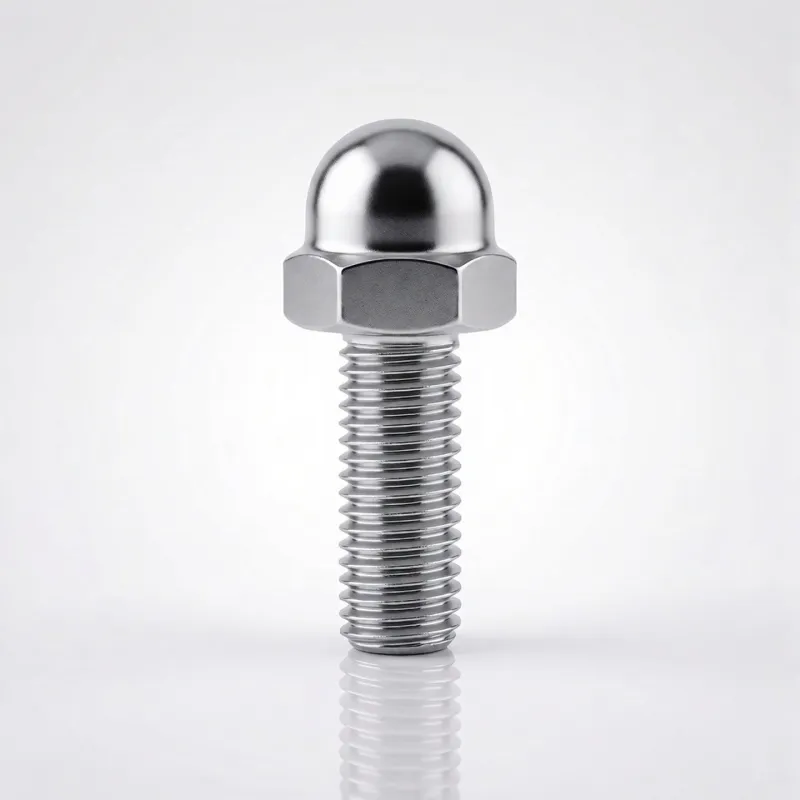
Dome Bolts

Benefits Snag-Free and Safety-Centric Profile: The rounded, low-profile dome head eliminates sharp corners and protruding edges, preventing accidental injury or clothing snags in high-traffic installations. Anti-Rotation Under-Head Locking: Integrated square neck or knurled shoulder locks securely into the mating surface, enabling single-person installation using a wrench on the nut side only. Tamper-Resistant Exterior: Absence of a drive socket or wrenching flats on the smooth dome surface deters unauthorized removal or vandalism from the exposed head side. Applications Dome bolts are extensively specified across industrial manufacturing, transport networks, and civil infrastructure where safety, aesthetics, and tamper resistance are vital. In highway guardrail installations and bridge safety barriers, hot-dip galvanized carbon steel dome bolts secure corrugated beam rails, providing a smooth exterior surface that prevents vehicular snagging during impacts. Rail coach manufacturing and automotive bodybuilders utilize stainless steel (304/316) dome head bolts to fasten interior paneling, seating frames, and wooden flooring where protruding bolt heads pose a trip or cut hazard to passengers. Industrial machinery builders and conveyor system manufacturers employ alloy steel dome bolts to secure protective guards, hopper liners, and enclosure panels exposed to heavy vibration. Additionally, marine infrastructure projects and coastal boardwalk developments rely on corrosion-resistant Duplex and Stainless Steel dome bolts to anchor timber and composite decking assemblies, ensuring long-term structural clamping against saltwater wash and atmospheric weathering.

Eye Bolt
Fasteners

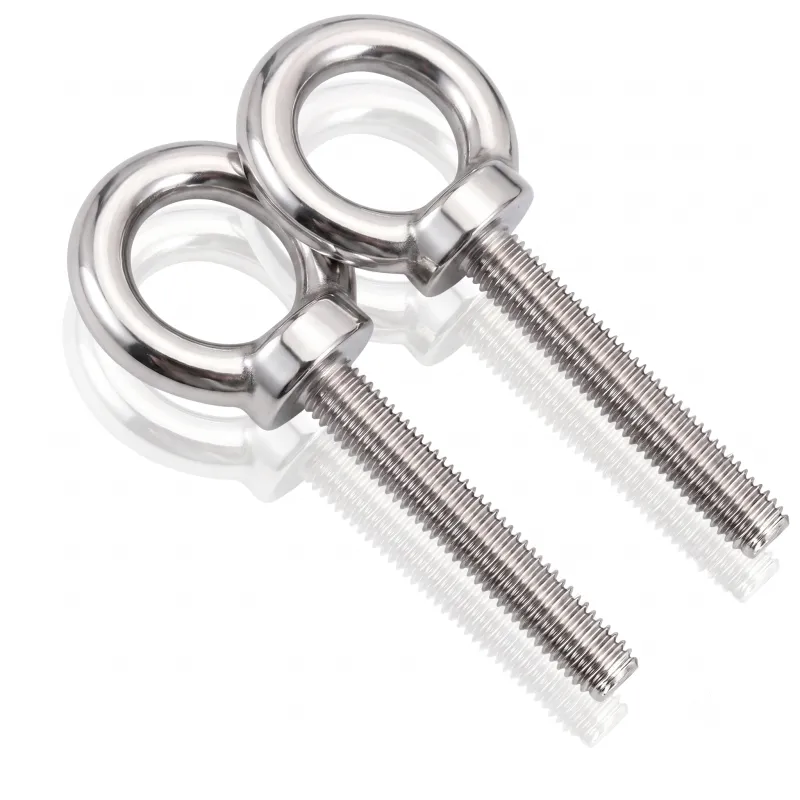
Eye Bolt

Benefits High Structural Lifting Capacity: Precision-forged construction delivers exceptional tensile strength, allowing heavy industrial equipment and machinery to be hoisted safely without eye deformation. Versatile Rigging Attachment: Smooth circular eye loop accepts standard rigging hardware—including shackles, hooks, and wire rope thimbles—for rapid load securing. Angular Load Distribution: Shouldered eye bolt designs spread lateral forces evenly across the seating face, enabling safe angular rigging lifts up to 45 degrees. Applications Eye bolts are vital load-rated rigging components heavily relied upon across heavy manufacturing, maritime transport, and construction sites for secure hoisting and tie-down operations. In oil refineries, power stations, and chemical processing plants, high-tensile alloy steel shoulder eye bolts (ASTM A489) are screwed into heavy pump casings, electric motors, and compressor housings to facilitate overhead crane maneuvering during plant shutdowns. Rigging contractors and shipping terminals utilize hot-dip galvanized carbon steel eye bolts on structural skids, cargo containers, and tensioning guy-wires to ensure stable dynamic load control under transport vibration. In nuclear power plants and aerospace test bays, precision heat-treated forged eye bolts anchor critical test stands and heavy steam valve blocks without risking micro-fractures under heavy static load. Additionally, marine engineering platforms and offshore oil rigs employ corrosion-proof Stainless Steel (316/316L) and Super Duplex eye bolts across subsea winch lines, lifeboat davits, and deck mooring stations to provide reliable lifting capacity that resists continuous saltwater wash.

J Bolt
Fasteners

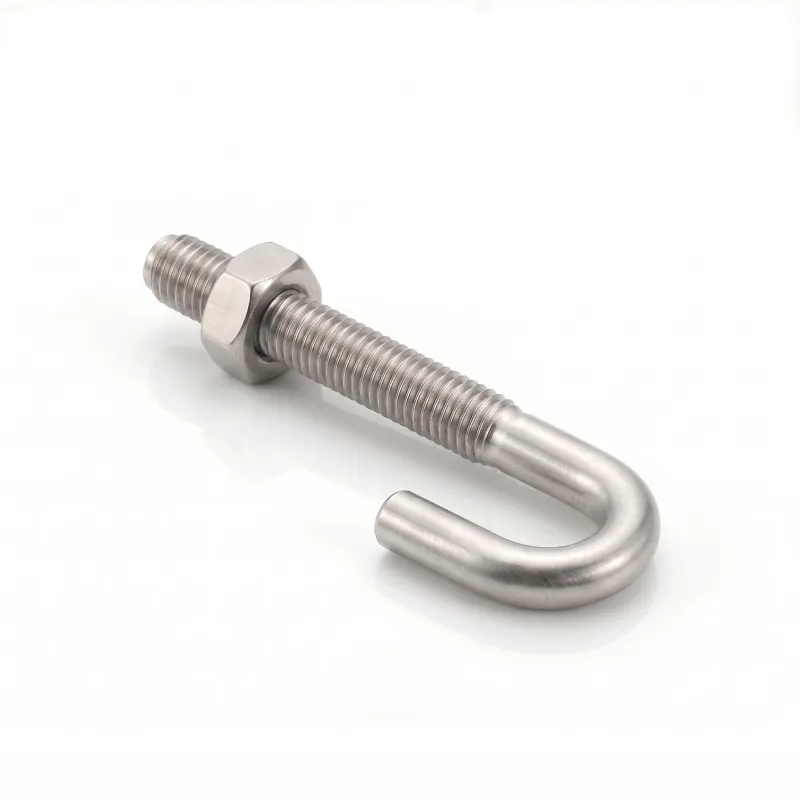
J Bolt

Benefits High Pull-Out Resistance: The hooked tail embeds deeply into concrete structures or hooks around reinforcing rebar, distributing tensile stress and preventing vertical pull-out under heavy loads. Versatile Structural Hooking: Capable of hooking directly onto I-beams, angle irons, or rebar grids, making it ideal for structural framing, roofing, and pipe support installations. Simple Alignment & Adjustability: Allows field engineers to adjust structural steel bases or timber framing vertically along the protruding threaded shank before finalizing locknut torque. Applications J-bolts are widely deployed across civil construction, industrial plants, and structural steel framing to establish high-integrity anchor points in concrete and steel frameworks. In civil engineering and industrial construction, hot-dip galvanized carbon steel J-bolts (ASTM F1554) are embedded into concrete foundations to anchor structural building columns, machinery base plates, and light pole bases against heavy uplift and wind shear forces. Industrial roofing and siding contractors utilize stainless steel J-bolts to hook directly onto structural purlins and girts, securing corrugated metal sheets and insulation panels against severe weather loads. In oil and gas refineries and chemical plants, high-tensile alloy steel J-bolts anchor heavy pipe support saddles and electrical cable tray racks directly to concrete abutments and structural steel framing exposed to continuous plant vibration. Additionally, marine infrastructure and port facilities employ corrosion-proof Duplex and Stainless Steel (316/316L) J-bolts to anchor dock fender systems, seawall railings, and coastal walkways subjected to harsh saltwater exposure and wave action.

Nut
Fasteners

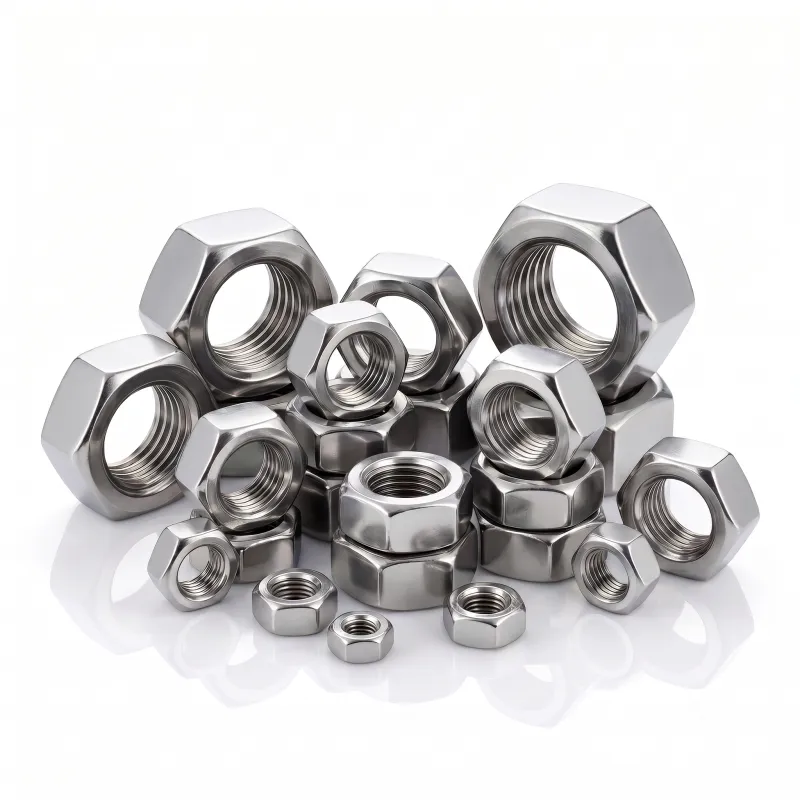
Nut

Benefits High Joint Compression and Pre-Load Maintenance: Generates exceptional clamping force across joint interfaces to maintain tight structural retention and prevent fluid or gas bypass in flanged connections. Vibration and Back-Off Resistance: Specialized locking variants (such as nyloc, prevailing torque, and slotted castle nuts) resist loosening caused by continuous physical vibration and thermal cycling. Non-Destructive Component Servicing: Allows easy mechanical tightening and straightforward disassembly during routine maintenance, enabling non-destructive inspection or hardware replacement. Applications Nuts are indispensable load-retaining fasteners deployed across every major industrial sector to assemble flanged piping connections, heavy structural frameworks, and high-vibration machinery skids. In oil and gas refining complexes and petrochemical plants, high-tensile ASTM A194 Grade 2H heavy hex nuts are paired with stud bolts to clamp high-pressure flanged joints, valve bodies, and vessel covers safely. Civil engineering and infrastructure projects utilize hot-dip galvanized high-strength structural hex nuts (ASTM A563/A490) to secure steel building trusses, highway guardrails, and bridge deck supports exposed to weathering. Thermal power plants and chemical processing facilities depend on high-temperature alloy steel and Stainless Steel (316/316L) lock nuts to secure steam turbines, boiler feed pumps, and chemical agitator bases that undergo constant vibration and intense heat expansion. Additionally, marine engineering platforms employ corrosion-resistant Super Duplex and High Nickel Alloy nuts across subsea manifolds, deck winches, and seawater pumping systems to provide reliable clamping power that withstands continuous saltwater exposure.

Spring Washers
Fasteners

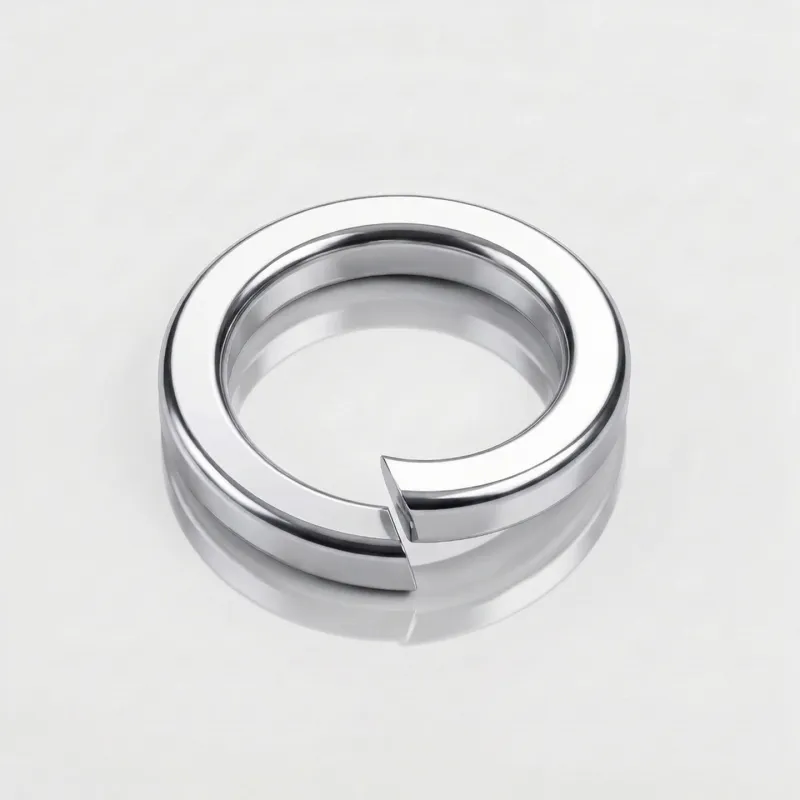
Spring Washers

Benefits Vibration and Back-Off Resistance: Maintains constant spring tension and mechanical bite against joint surfaces, preventing threaded fasteners from loosening under severe physical vibration or dynamic thermal cycling. Axial Pre-Load Maintenance: Acts as a mechanical spring element that compensates for minor thermal expansion, material compression, or operational creep over time. Cost-Effective Joint Security: Provides an economical, compact locking mechanism that easily installs alongside standard bolts, studs, and nuts without requiring specialized tools. Applications Spring washers are widely specified across mechanical equipment, power transmission networks, and heavy transport assemblies where vibration-proof joint locking is vital. In heavy industrial machinery, pump skids, and compressor housings, high-carbon spring steel split washers maintain constant axial load on casing bolts subject to continuous operational pulses. Electrical power distribution utilities and transformer manufacturing complexes rely on phosphor bronze and stainless steel (316/316L) spring washers to preserve steady electrical contact pressure across copper busbar connections undergoing thermal expansion. In automotive chassis framing, railway track fastenings, and agricultural equipment, heat-treated alloy steel helical washers absorb intense dynamic road shocks and shear forces without fracturing. Additionally, offshore marine structures and chemical processing units utilize corrosion-resistant Super Duplex and High Nickel Alloy spring washers to lock critical instrumentation lines, valve actuators, and flanged connections exposed to aggressive marine environments and chemical vapors.

Stud
Fasteners

Stud

Benefits Balanced Tension and Load Distribution: Eliminates head-to-shank stress concentrations inherent in standard bolts, distributing axial clamping loads evenly across double-nut assemblies. Rapid Maintenance and Alignment: Acts as a guiding pin during flange fit-up and equipment assembly, allowing easy placement of heavy gaskets and mating flanges without damaging thread faces. Superior High-Pressure Performance: Forged from high-tensile heat-treated alloy steel grades engineered to withstand extreme hydraulic surges, thermal shock, and continuous thermal cycling. Applications Stud bolts are vital fastening components heavily relied upon across oil refining, chemical processing, and heavy mechanical infrastructure. In oil and gas refining complexes and offshore drilling rigs, high-tensile ASTM A193 B7 and A320 L7 alloy steel stud bolts are standard fasteners used to clamp high-pressure flanged pipe joints, valve bonnets, and heat exchanger tube sheets handling volatile hydrocarbons under extreme pressures. Chemical processing plants depend on Stainless Steel (B8M/316) and High Nickel Alloy (Inconel 625/Hastelloy C276) studs to secure acid reactors, distillation columns, and aggressive media pumps where severe corrosion protection is required. Within thermal and nuclear power plants, high-temperature creep-resistant ASTM A193 B16 studs lock main steam turbine casings and boiler feed headers subjected to continuous superheated steam cycles. Additionally, marine engineering platforms employ corrosion-resistant Super Duplex and PTFE-coated studs across subsea wellheads, manifold blocks, and seawater pumping stations to resist harsh marine atmospheric rust and galvanic corrosion.

Stud Bolts
Fasteners

Stud Bolts

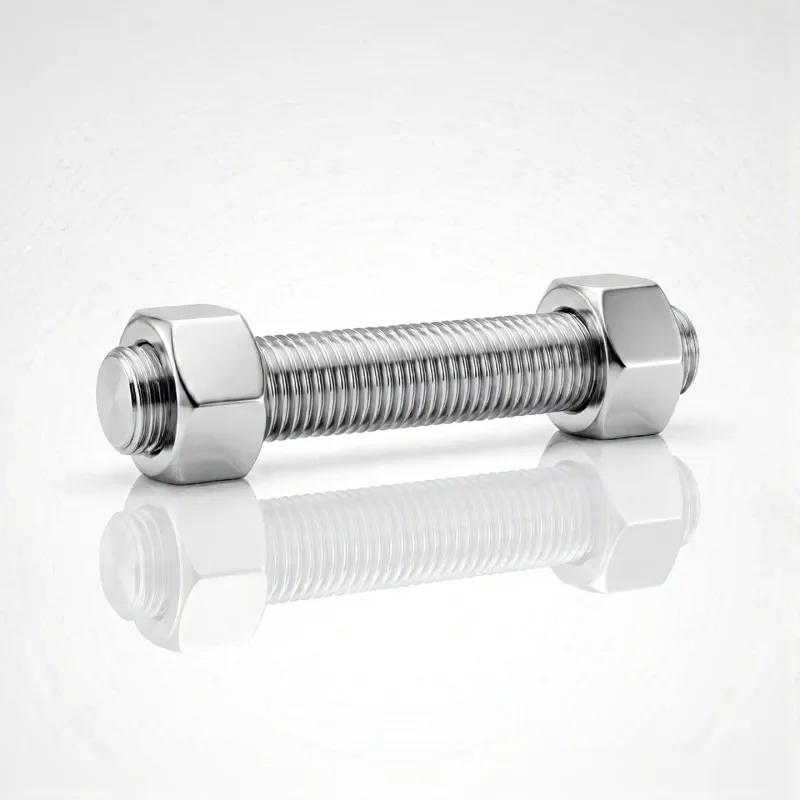
Premium quality Stud Bolts supplied by verified Mumbai steel distributors. Designed for structural, industrial, and manufacturing projects in India.
Threaded Rod
Fasteners

Threaded Rod

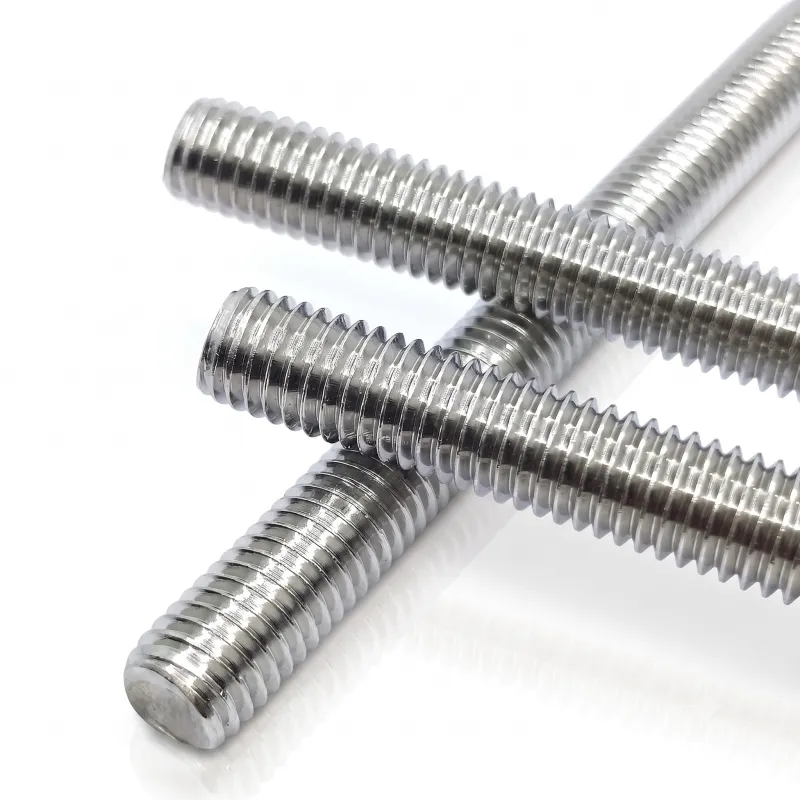
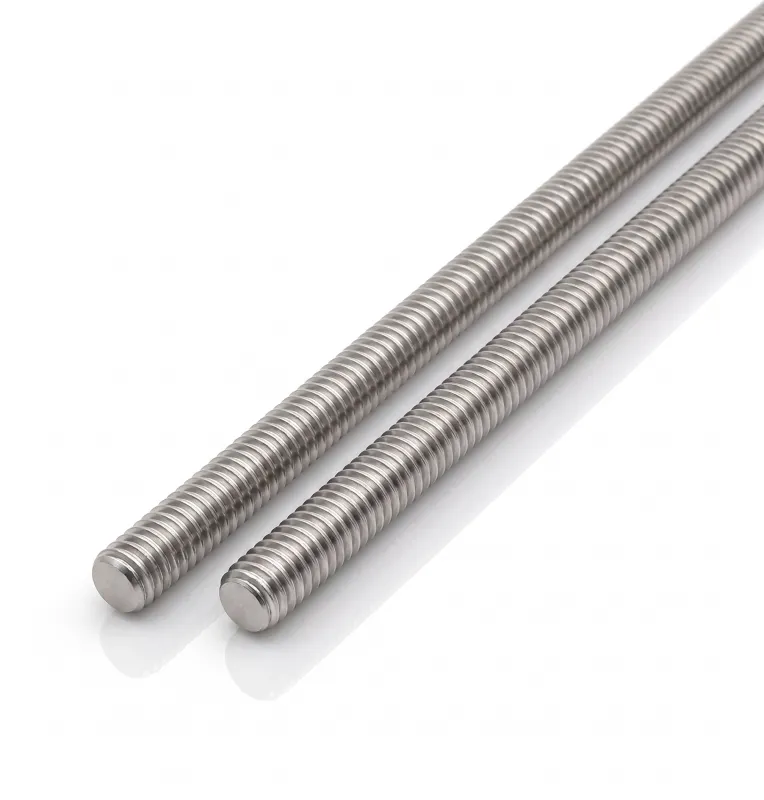
Premium quality Threaded Rod supplied by verified Mumbai steel distributors. Designed for structural, industrial, and manufacturing projects in India.

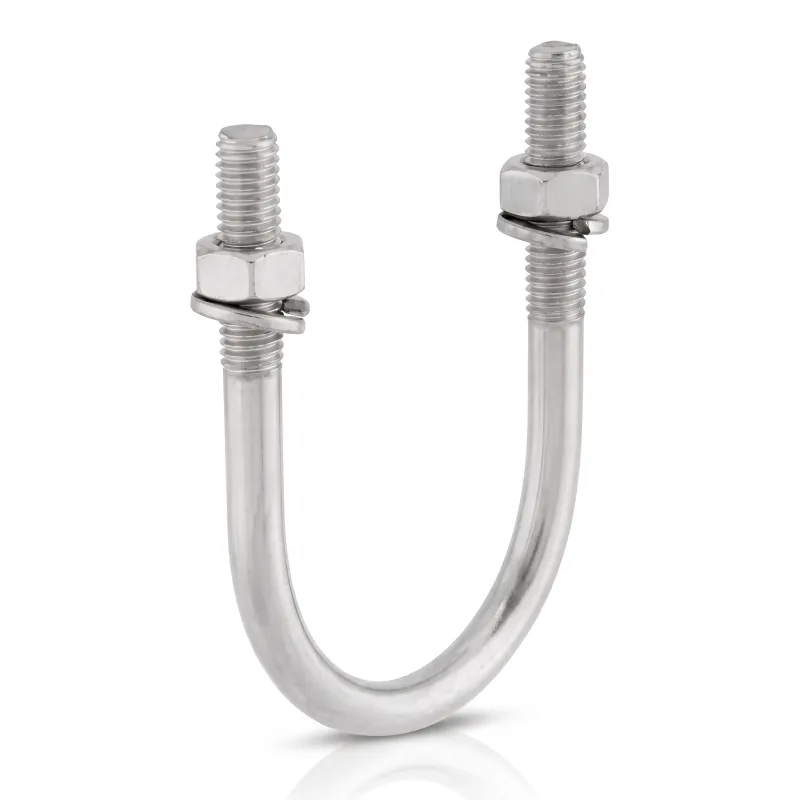
U Bolt
Fasteners

U Bolt

Benefits High Structural Pipe and Tubing Containment: Wraps around the outer diameter of pipes and structural tubes to deliver firm, 360-degree restraint against hydraulic surge forces and severe line vibration. Versatile Mounting Profiles: Available in round bend, square bend, and semi-round bend configurations to match specific pipe sizes, structural steel beams, and square tubing profiles. Thermal Expansion Accommodation: Can be installed with rubber liners, thermoplastics, or calculated gap spaces to allow process piping to expand and contract smoothly without causing localized pipe wall fretting or stress fatigue. Applications U-bolts are fundamental pipe support and structural clamping components widely deployed across industrial processing facilities, automotive chassis systems, and offshore marine construction. In oil refineries, petrochemical plants, and chemical processing facilities, hot-dip galvanized and PTFE-coated U-bolts secure major overhead process pipelines, utility lines, and flare stacks to structural steel racks, absorbing intense line pulsation and wind shear. Automotive and heavy vehicle manufacturing lines depend on high-tensile alloy steel square-bend U-bolts to clamp heavy-duty leaf spring assemblies securely to truck and trailer drive axles. Thermal power generation plants integrate stainless steel (316/316L) U-bolts along high-pressure steam and condensate return loops to provide rigid guide support while accommodating continuous operational thermal movement. Additionally, marine engineering infrastructures and offshore drilling platforms employ high-corrosion-resistant Duplex and Super Duplex U-bolts with thermoplastic lining pads to secure seawater intake lines, ballast piping, and subsea risers against severe wave action, crevice corrosion, and galvanic degradation.

Washer
Fasteners

Washer

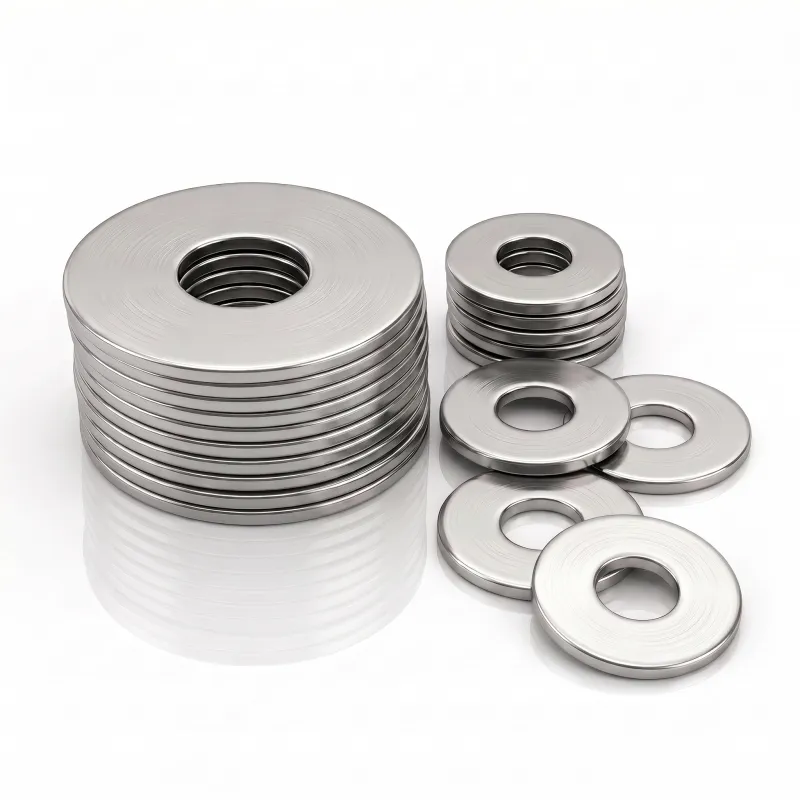
Benefits Optimized Load Distribution: Spreads high axial clamping forces evenly over a broader surface area, preventing damage, distortion, or surface crushing of joint members. Surface Protection Against Galling: Acts as a smooth bearing interface that prevents the rotating fastener head or nut from gouging and scoring base material surfaces during torque application. Vibration and Creep Compensation: Spring and locking washer variants maintain continuous tension, preventing threaded components from loosening under dynamic physical vibration or thermal expansion. Applications Washers are essential load-distributing and locking accessories utilized across every major industrial sector to secure flanged piping, structural steelwork, and mechanical machinery. In high-pressure oil refineries and chemical plants, hardened carbon steel (ASTM F436) and Stainless Steel (316/316L) flat washers are paired with heavy hex bolts to ensure uniform flange gasket compression without galling the flange back-faces. Civil infrastructure, building construction, and bridge projects depend on hot-dip galvanized structural washers to distribute massive tension loads across structural steel beams and anchor bolt assemblies exposed to harsh atmospheric conditions. Thermal power stations and heavy machinery builders utilize spring steel Belleville and conical washers on high-temperature turbine casings and high-vibration pump skids to maintain pre-load tension despite thermal expansion cycles. Additionally, marine engineering platforms, subsea pipelines, and offshore oil rigs employ corrosion-proof Super Duplex and High Nickel Alloy washers across underwater manifold structures to resist rapid chloride-induced crevice corrosion and galvanic breakdown.

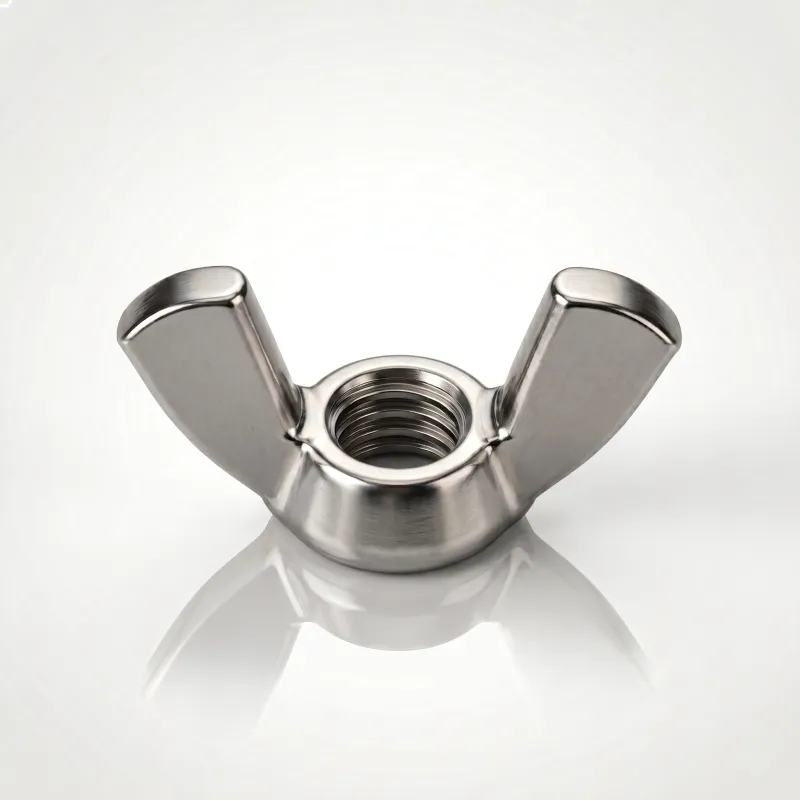
Wing Nut
Fasteners

Wing Nut

Benefits Tool-Free Manual Operation: Ergonomic wing extensions enable swift hand-tightening and manual release without requiring wrenches or specialized assembly tools, drastically reducing setup and teardown time. Rapid Maintenance Access: Ideal for access covers, filter housings, and shielding panels that demand frequent opening for cleaning, inspection, or filter media replacement. Versatile Manufacturing Styles: Available in cold-forged, die-cast, and heavy-duty stamped variations to balance weight, cost, and high-torque mechanical strength requirements. Applications Wing nuts are extensively specified across industrial processing, manufacturing equipment, and field infrastructure where rapid, tool-free access is necessary. In chemical processing complexes and food processing facilities, Stainless Steel (316/316L) wing nuts secure pressure vessel inspection ports, liquid filter housings, and strainers that undergo routine daily washdowns and media changes. Industrial machinery builders and HVAC ducting fabricators utilize zinc-plated carbon steel wing nuts to fasten equipment guard covers, air handling access doors, and filter racks for rapid maintenance. Stage lighting technicians, temporary structural scaffolding contractors, and modular display builders rely on heavy-duty forged steel wing nuts for quick manual clamping of support trusses and framing clamps. Additionally, marine engineering applications and boat deck fittings employ corrosion-proof Duplex and Stainless Steel wing nuts on waterproof hatch covers, battery tie-downs, and outboard motor mounts to maintain firm, tool-free clamping that resists continuous saltwater exposure.